Every season, used mini potato harvesters are parked behind barns or resold at auction because a maintenance issue was ignored for too long. A loose chain, a dry gearbox, or a dull digging share can turn a promising harvest into a breakdown that costs more than the machine itself. What maintenance does a Used Mini Potato Harvester require? For procurement specialists and farm equipment buyers, this question determines whether a second-hand purchase becomes a dependable asset or a hidden liability. Picture this: you buy a compact potato harvester from a dealer, the paint looks fresh, and the engine starts on the first turn. Within two days of field work, the digging blade bends in rocky soil, the chain jumps the sprocket, and the PTO shaft vibrates badly. These failures rarely come from bad luck. They come from skipped inspections and unknown wear history. In this guide, you will learn the maintenance tasks that keep used mini potato harvesters running through harvest, how to inspect critical components before you buy, and where to source reliable replacement parts when problems appear. Use this as a practical checklist for every used machine you evaluate or operate.
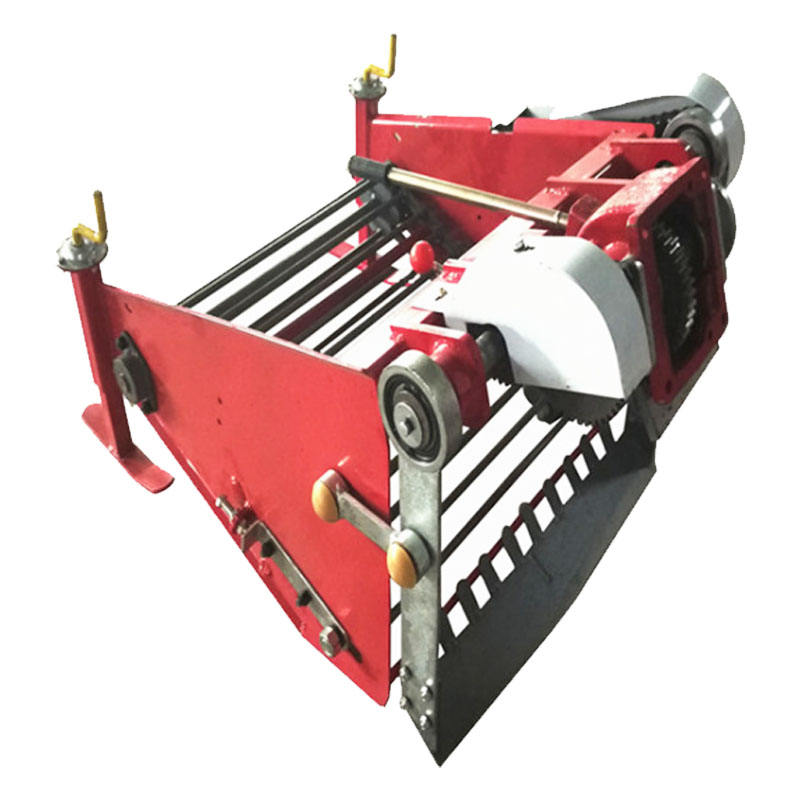
Table of Contents
You finish a long harvest day and want to park the harvester, but wet soil and potato vines are packed around the digging share, conveyor chains, and rollers. If left overnight, that debris hardens and causes chain binding, rust, and premature sprocket wear. On a used machine, hidden debris can also hide cracks or loose bolts that need attention. Procurement teams often receive complaints from operators who bought used harvesters and found the chain drive clogged after the first day because no one cleaned the previous owner's residue.
The solution is straightforward: clean the machine daily after each use. Use a high-pressure washer or compressed air to remove soil from the digging blade, star wheels, conveyor chains, and undercarriage. Avoid spraying directly into electrical connectors or open bearing seals. After cleaning, walk around the harvester and tighten any loose bolts, check for missing cotter pins, and look for hairline cracks on welded joints. Record what you find so maintenance patterns become clear. This small routine takes about 20 minutes and reduces unplanned downtime by a significant margin.
| Cleaning Area | Recommended Method | Frequency | Risk If Skipped |
|---|---|---|---|
| Digging blade and shares | Scrape or high-pressure wash | After every use | Uneven digging depth and blade rust |
| Conveyor chains and rollers | Compressed air and dry cloth | After every use | Chain binding and sprocket wear |
| Gearbox exterior | Wipe with dry cloth | Daily | Hidden oil leaks and overheating |
| Wheel axles and hubs | Remove packed soil | After every use | Bearing failure and increased drag |
Imagine a used mini potato harvester is working a sloping field and suddenly the conveyor stops. The engine is still running, but the potatoes pile up on the digging blade. In most cases, the cause is a slipped belt or a broken chain link that was never inspected. For buyers evaluating used equipment, belt and gearbox condition reveal more about the machine's history than paint or tire tread. A dry, cracked belt means the harvester sat unused for a long time. A gearbox with milky oil suggests water contamination. A stretched chain with uneven link wear means improper tension over many hours.
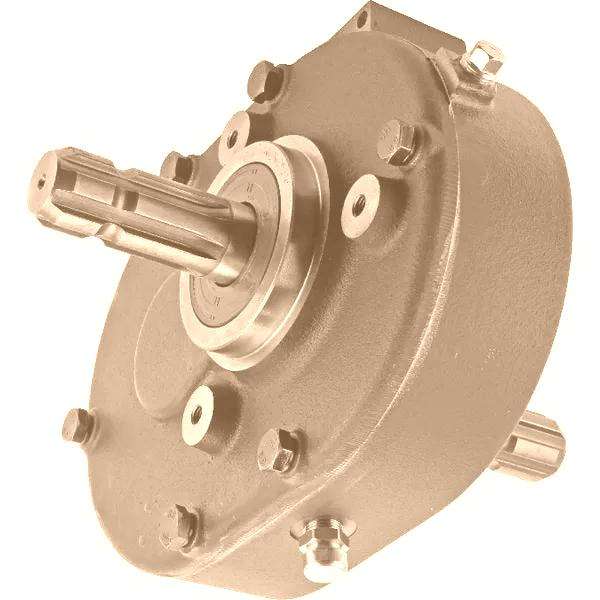
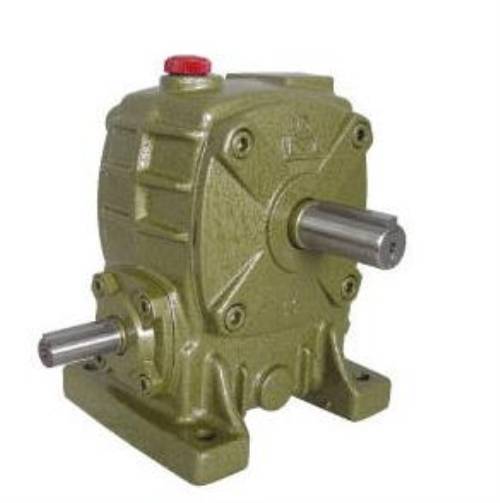
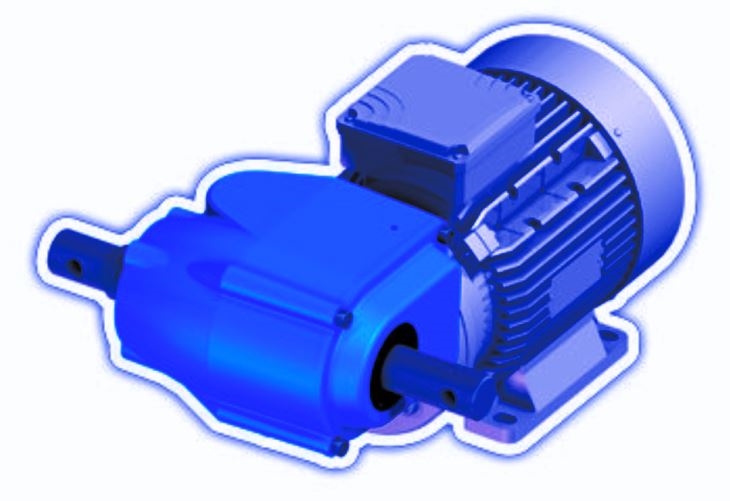
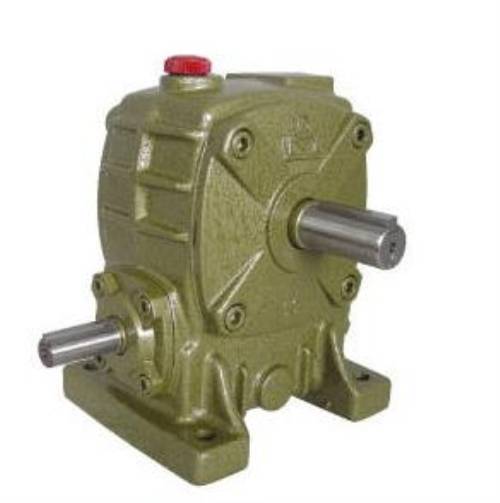
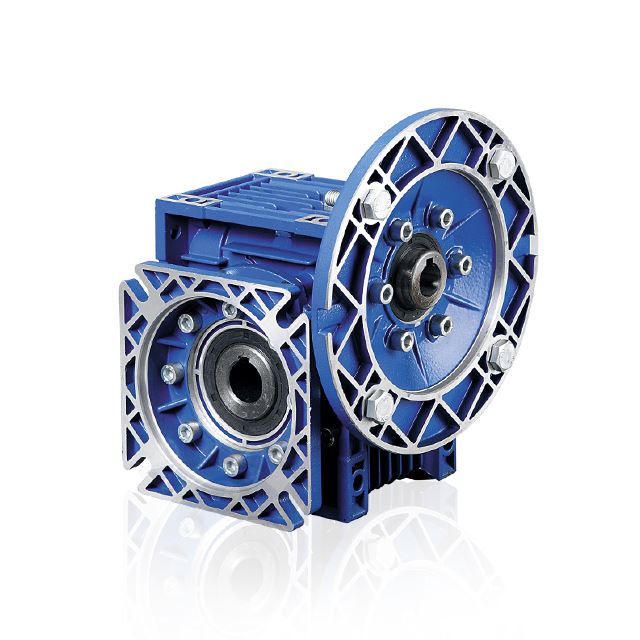
To prevent these failures, inspect all drive belts for cracks, glazing, or frayed edges before each season and every 50 operating hours. Press the belt with your thumb at the midpoint between pulleys; deflection should match the manufacturer's specification, usually around 10 to 15 mm for small harvesters. Check chain tension by lifting the chain at the midpoint of the longest span. It should move no more than 6 to 10 mm. Lubricate chains with a suitable chain oil, but avoid over-oiling because dust sticks and accelerates wear. For the gearbox, check the oil level plug, drain a small amount of oil to inspect color, and replace if it looks dark or milky. If the gearbox is beyond repair, Raydafon Technology Group Co.,Limited supplies compatible replacement gearboxes and drive components that reduce downtime for used mini potato harvesters.
| Drive Component | Inspection Check | Replacement Interval | Early Warning Sign |
|---|---|---|---|
| V-belts | Cracks, glazing, tension | 200–300 hours or annually | Squealing noise at startup |
| Roller chains | Link wear, tension, stiff joints | 300–500 hours | Chain jumps sprocket under load |
| Gearbox oil | Level, color, metal particles | Every 50 hours or season | Overheating and whining noise |
| Sprockets | Tooth shape and wear pattern | Replace with chain | Hooked or sharp teeth |
You are harvesting in sandy loam, but the potatoes come up bruised and cut. The digging share has worn into a rounded edge, so it pushes through the soil instead of slicing under the potato row. On a used mini potato harvester, blade wear is one of the most overlooked maintenance items because buyers assume a shiny metal part is still functional. In reality, a dull blade increases draft load, raises fuel consumption, and damages crop quality. If the blade is bent or cracked, it can snap during operation and send metal fragments through the conveyor.
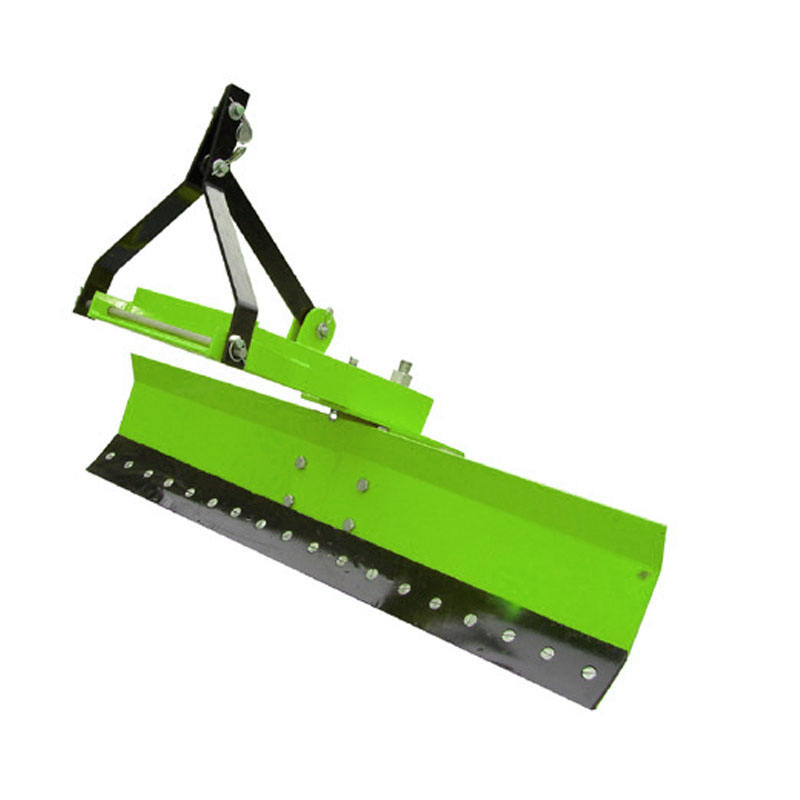
The solution is to inspect the digging blade before every field run and sharpen or replace it as soon as the cutting edge becomes rounded or chipped. For most compact potato harvesters, the digging share should be sharpened to a 25 to 30 degree bevel angle. Use a flap disc or bench grinder, but avoid overheating the metal because that softens the cutting edge. Check the digging depth adjustment mechanism; the blade should sit 2 to 5 cm below the potato row depending on soil type and ridge height. If the share is worn more than 50 percent from its original length or shows cracks near the mounting holes, replace it immediately. Raydafon Technology Group Co.,Limited can help procurement teams source compatible digging shares and blade bolts for popular used mini potato harvester models.
| Blade Parameter | Recommended Value | Inspection Frequency | Replacement Trigger |
|---|---|---|---|
| Cutting edge bevel | 25–30 degrees | Before every field use | Rounded or chipped edge |
| Digging depth | 2–5 cm below ridge | Every field entry | Uneven depth across rows |
| Share length wear | Less than 50% reduction | Every 20 hours | Exceeds 50% or cracks |
| Mounting bolt torque | Per manual, often 80–100 Nm | Daily | Loose or missing bolts |
One of the most expensive failures on a used mini potato harvester is a seized bearing or a burst hydraulic hose. You are running the harvester at full speed when the lifting arm drops and the digging share drags on the ground. The cause is usually a dry bearing or a hydraulic leak that was never spotted. Used machines often arrive with missing grease fittings or cracked hoses that look fine until they are under pressure. A procurement buyer may not notice these issues during a quick visual inspection, but operators pay for them within hours.
Prevent this by greasing every bearing, pivot point, and driveshaft universal joint according to the manufacturer's lubrication chart. On a used mini potato harvester, assume the previous owner missed several grease intervals. Pump grease into each fitting until fresh grease appears, then wipe away excess. Check the hydraulic oil level with the harvester on level ground and inspect all hoses for cracks, blisters, or leaks at the crimp fittings. Replace any hose that looks hard, brittle, or wet with oil. Tighten hydraulic fittings and clean the filter or replace it at the start of each season. If a hydraulic pump or gearbox has already failed, sourcing a direct replacement from Raydafon Technology Group Co.,Limited helps keep the harvester compatible without expensive modification.
| Maintenance Point | Lubricant Type | Interval | Common Failure Signal |
|---|---|---|---|
| PTO shaft universal joints | Lithium grease NLGI 2 | Every 8–10 hours | Vibration or clunking sound |
| Conveyor chain links | Chain oil or light gear oil | Every 20 hours | Stiff links and rust |
| Hydraulic oil | ISO VG 46 hydraulic fluid | Filter every 200 hours | Slow lifting or jerky movement |
| Wheel bearings | Lithium complex grease | Every 50 hours | Heat or grinding noise |
After the last potato row is harvested, many small farms park the harvester under a tree and forget it until spring. Moisture from rain and morning dew settles on bare metal, hydraulic rods rust, and rubber seals dry out. A used mini potato harvester that spent several off-seasons outdoors may look acceptable in online listing photos, but hidden rust can weaken the frame and cause bearing failure. For procurement teams buying off-season equipment, storage history is as important as operating hours. A machine stored indoors with dry surfaces and protected cylinders will almost always be a better purchase than one left in a field.
Prepare the harvester for off-season storage by cleaning it thoroughly, allowing it to dry, and applying a corrosion inhibitor to exposed metal surfaces, especially the digging blade, chains, and hydraulic cylinder rods. Grease all fittings to push out moisture. Drain or top off the gearbox oil to prevent condensation. Store the machine indoors on a level concrete floor, or if indoor storage is not available, cover it with a breathable tarp that allows air circulation. Disconnect the battery on powered models and charge it every few months. Before the next season, repeat the full inspection checklist including belt tension, chain wear, and hydraulic hose condition. A little off-season care prevents expensive rust repair later.
| Storage Task | Required Material | Best Timing | Consequence If Skipped |
|---|---|---|---|
| Clean and dry all surfaces | Pressure washer, cloths | After final harvest | Rust and debris hardening |
| Apply corrosion inhibitor | Lanolin spray or rust preventive | After drying | Pitted cylinder rods and chains |
| Grease all fittings | Lithium grease | Before storage | Moisture inside bearings |
| Indoor parking or cover | Breathable tarp | Entire off-season | Seal cracking and frame rust |
Q: What maintenance does a used mini potato harvester require before the first field use?
A: Before the first field use, inspect the digging blade for cracks or excessive wear, tighten all bolts, check the PTO shaft and safety guards, lubricate every grease fitting, and verify the gearbox oil level. Replace any dry-rotted belts or stiff chain links. A short test run without load helps reveal abnormal vibration or noise. Raydafon Technology Group Co.,Limited recommends performing this pre-field checklist even if the seller claims the machine was recently serviced.
Q: How often should a used mini potato harvester receive full preventive maintenance?
A: A full preventive maintenance session should be performed every 50 operating hours or at the start of each harvesting season, whichever comes first. Daily cleaning and visual checks are still required after every use. During the full session, drain and replace gearbox oil, inspect all chain tensions, sharpen or replace digging shares, and check hydraulic hoses for cracks. Procurement teams can reduce unplanned downtime by sourcing replacement gearbox and drive components from Raydafon Technology Group Co.,Limited before peak season.
Used mini potato harvester maintenance is not just a farm task; it is a purchasing skill. When you know which components fail and why, you can negotiate better prices, avoid bad investments, and keep your fleet moving through harvest. We want to hear from you: which maintenance issue has caused the most downtime in your operation? Share your experience or ask a question in the comments, and let other equipment buyers learn from your field notes.
If you need replacement gearboxes, drive shafts, digging shares, or maintenance support for used mini potato harvesters, Raydafon Technology Group Co.,Limited is ready to help. As a supplier of power transmission and harvester components, the company understands the demands of compact agricultural equipment and helps procurement teams find compatible parts quickly. Visit https://www.gearboxsupplier.com or contact [email protected] for technical guidance and sourcing support.
References
Smith, J. A., & Brown, T. R. (2019). Maintenance scheduling for root crop harvesting equipment. Journal of Agricultural Mechanization, 42(3), 210–224.
Chen, L., & Martinez, P. (2020). Wear analysis of digging shares in compact potato harvesters. Biosystems Engineering, 195, 88–101.
Williams, D. (2018). Gearbox failure modes in second-hand farm machinery. International Journal of Agri-Food Engineering, 12(2), 145–158.
Patel, R. K., & Singh, H. (2021). Effects of chain tension on conveyor performance in potato harvesters. Agricultural Engineering International: CIGR Journal, 23(1), 77–89.
Garcia, M. A., & Lee, S. J. (2022). Corrosion prevention for off-season storage of agricultural implements. Journal of Farm Machinery and Power, 49(4), 302–315.
Kim, Y. H., & Thompson, B. (2017). Hydraulic system reliability in compact harvesting equipment. International Journal of Fluid Power, 18(3), 129–141.
Okafor, E. N. (2020). Decision support framework for used agricultural machinery procurement. Computers and Electronics in Agriculture, 175, 105–116.
Larson, C. W., & Evans, P. (2019). Blade geometry and wear life in root crop digging tools. Soil and Tillage Research, 192, 66–75.
Hassan, M. I., & Zhou, Q. (2021). Preventive maintenance optimization for small-scale farm equipment fleets. Journal of Agricultural Systems, 188, 103–112.
Romano, F., & Dubois, A. (2022). Failure analysis of driveline components in potato harvesting machinery. Engineering Failure Analysis, 134, 105–119.
-