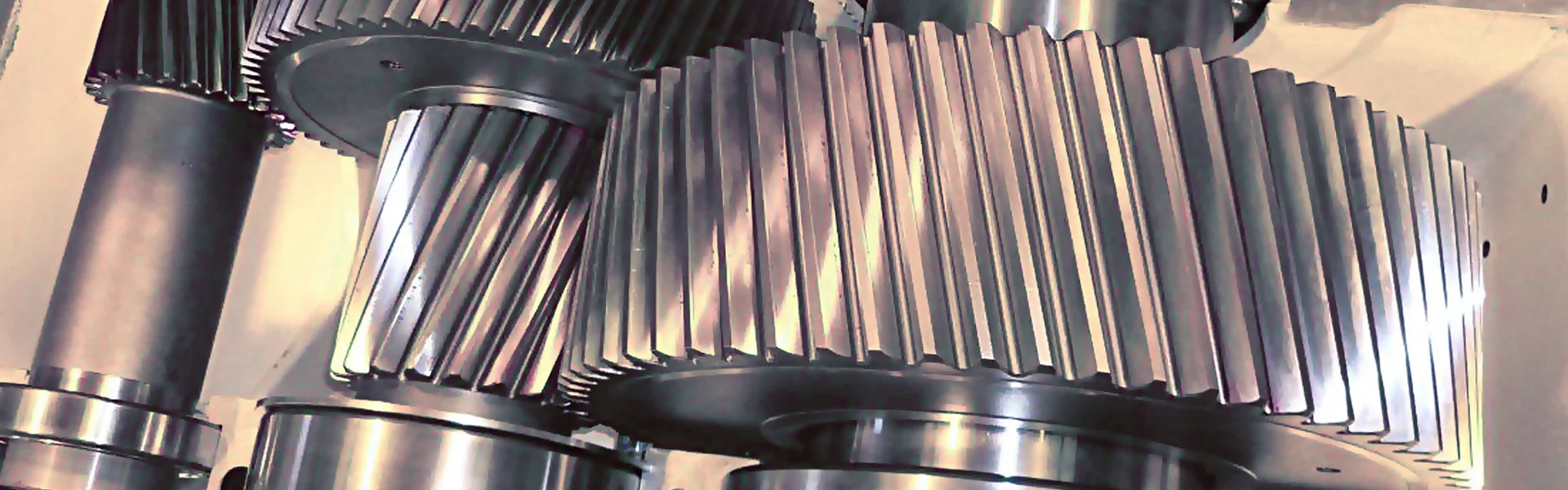
Imagine you're in charge of sourcing a critical component for a production line—say a stainless steel conveyor in a food processing plant. The line is running 24/7, and any unplanned downtime could cost thousands per hour. You've narrowed down to a Worm Drive Gearbox for its quiet operation and high torque, but one question keeps you up at night: How long does a worm drive gearbox last and what factors affect its lifespan? The short answer is that under ideal conditions, a well-engineered worm gearbox can operate for 15,000 to 30,000 hours, sometimes exceeding 10 years in light-duty applications. However, in harsh environments, neglect of lubrication, or overloading, that lifespan can plunge to just a couple of years. As a procurement specialist, you need more than a rough estimate—you need to know exactly what triggers premature failure and how to avoid it. This guide will walk you through the key lifespan factors in plain, actionable terms, so you can make informed purchasing decisions and keep your operation running smoothly. Grab a coffee, and let’s dive in.
When we talk about gearbox life, we usually refer to the L10 or L50 bearing life, or the point at which gear teeth fail due to pitting or wear. For a worm drive, the sliding contact between the bronze worm gear and hardened steel worm creates unique wear patterns. In a clean, well-lubricated setup with moderate loads, you can realistically expect 20,000 hours of service. But “real-world” conditions often tell a different story. Let’s picture a pallet wrapper in a dusty warehouse: without proper sealing, abrasive particles grind away at the bronze gear, halving its expected life. In contrast, the same gearbox in a climate-controlled packaging room might see double that lifespan. The variability is why Raydafon Technology Group Co.,Limited advises clients to look beyond catalog numbers and consider the operational context before committing to a purchase.
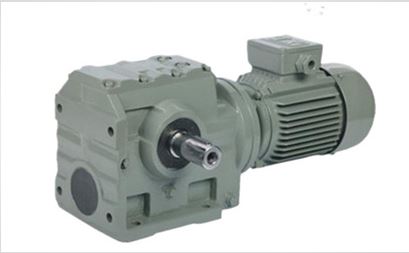
One common pitfall is confusing “design life” with actual operating life. Design life is based on ISO or AGMA standards under controlled loads and lubrication intervals. If your maintenance team skips oil changes or pushes the duty cycle, you’re eroding that design life every day. This is where a partnership with a knowledgeable supplier like Raydafon Technology Group Co.,Limited comes in—they help you match the gearbox to the real operating conditions, not just the theoretical specs.
Let’s break down the five elements that most dramatically impact how long your worm drive gearbox lasts. Each one can be your ally or your enemy, depending on how you manage it.
1. Lubrication quality and frequency. The sliding action between worm and gear generates intense friction. Without a high-quality synthetic oil that clings to surfaces and dissipates heat, the bronze gear can suffer adhesive wear within weeks. A food-grade lubricant that degrades under heat might demand changes every 1,000 hours instead of the standard 5,000 hours.
2. Operating temperature. For every 15°C (27°F) above the gearbox’s rated ambient temperature, oil life is cut in half. In a bakery oven proximity, that could mean swapping a 20,000‑hour gearbox to a mere 5,000‑hour unit if you don’t upgrade the cooling or switch to a high‑temperature lubricant.
3. Load type and shock loads. A steady conveyor presents a gentle challenge, but a rock crusher’s intermittent jolts multiply tooth stress. Overloads cause pitting and eventually tooth breakage. A startup once replaced three standard worm gearboxes in a year until Raydafon’s engineers recommended a heavier-duty model with an enhanced bronze alloy—now it runs five years straight.
4. Sealing and contamination. Dirt, water, or chemicals bypass worn seals and turn lubricant into grinding paste. IP65 or better sealing is non‑negotiable for outdoor applications like solar trackers or agricultural feeders.
5. Material quality. A centrifugally cast bronze gear with a nickel‑tin alloy lasts significantly longer than a sand‑cast equivalent, especially under boundary lubrication. The purity of the worm’s hardened steel and the precision of the tooth profile directly affect wear rates.
| Factor | Neglected | Optimized |
|---|---|---|
| Lubrication | 1,000–3,000 hrs | 20,000+ hrs |
| Temperature Control | 5,000 hrs (at 90°C) | 25,000 hrs (at 60°C) |
| Sealing & Contamination | 2,000 hrs (IP44) | 30,000+ hrs (IP65) |
| Material Grade | Standard bronze | High‑performance alloy |
By now you might be wondering: How long does a worm drive gearbox last and what factors affect its lifespan? The answer always circles back to how well you control these variables. Even a premium gearbox will fail early if it’s run dry or overloaded.
Buying a high-quality worm drive gearbox is just the starting point. The real magic happens in how you install, run, and maintain it. Think of it like owning a sports car—you wouldn’t neglect oil changes and expect peak performance.
Step 1: Match the gearbox to the application, not just the price. A cost‑focused purchasing team often selects a smaller frame size to save money upfront, only to pay multiples in downtime later. Raydafon Technology Group Co.,Limited offers application engineering support to right‑size the selection from day one, avoiding that hidden cost trap.
Step 2: Stick to a predictive lubrication schedule. Instead of guessing, use oil analysis every 2,000 hours to detect metal particles or viscosity breakdown. This allows you to change oil before damage occurs.
Step 3: Monitor temperature with inexpensive thermal stickers or sensors. A sudden 20°C spike often signals an upcoming failure. Integrating this feedback into your preventive maintenance plan can extend gearbox life by 30% or more.
Step 4: Invest in breathers and desiccants. When a gearbox cools, it draws in moist air. A desiccant breather prevents water condensation that corrodes gears.
When a food packaging line manager implemented these steps with gearboxes from Raydafon Technology Group Co.,Limited, mean time between failures jumped from 8 months to over 3 years—a direct win for the bottom line.
What sets Raydafon Technology Group Co.,Limited apart is not just the hardware, but the problem‑solving mindset baked into every client interaction. For instance, when a solar farm in a desert region faced early gearbox seizures due to fine sand ingress, the standard response from most suppliers would have been “use more seals.” Raydafon’s team instead proposed a custom bronze alloy with self‑lubricating properties and a labyrinth seal from their R&D portfolio. The result? A five‑fold lifespan increase without increasing the unit cost beyond the project budget.
Their catalog spans from miniature worm reducers for medical devices to heavy‑duty units for mining conveyors. Each is backed by a traceable material certificate and real‑world test data—not just theoretical calculations. This transparency empowers procurement professionals to defend their choices in capital expenditure reviews.
Another common question we hear is: How long does a worm drive gearbox last and what factors affect its lifespan? With Raydafon’s technical audit service, you get a customized answer based on your load spectrum, duty cycle, and environmental conditions, complete with a predicted maintenance schedule. It’s like a lifespan GPS for your gearbox fleet.
Q: Can a worm drive gearbox last 10 years without rebuilding?
A: Absolutely. In light‑duty applications like small conveyor drives or positioning mechanisms, running under 8 hours a day with religious oil changes, a well‑built gearbox from a reputable supplier like Raydafon Technology Group Co.,Limited can easily surpass a decade. The key is preventing contamination and never exceeding the rated thermal capacity.
Q: What is the number one cause of premature worm gearbox failure?
A: Insufficient or degraded lubrication. More than 60% of early failures stem from this. Without a proper oil film, the worm and gear enter metal‑to‑metal contact, causing rapid wear. Pairing the correct lubricant viscosity with the operating temperature is crucial—something Raydafon’s engineers can help you specify at the quotation stage.
Ready to stop guessing about gearbox lifespan and start engineering reliability into your project? Reach out to the experts who have been solving power transmission challenges for two decades. Raydafon Technology Group Co.,Limited is your global partner for robust worm drive gearboxes, from standard catalog units to fully customized solutions. Visit https://www.gearboxsupplier.com to explore the full range, download CAD models, and request a life‑cycle cost analysis. For direct inquiries, email [email protected] and a dedicated engineer will respond within one business day. Don’t let gearbox worries slow you down—partner with Raydafon and power ahead.
Johnson, R. & O'Connor, P., 2019, "Wear Mechanisms in Worm Gear Drives: A Review," Tribology International, Vol. 134, pp. 205–218.
Zhang, L. et al., 2020, "Effect of Lubricant Additives on the Scuffing Load Capacity of Worm Gears," Wear, Vol. 448–449, 203253.
ISO 14521:2019, "Gears – Thermal capacity – Part 2: Thermal load‑carrying capacity," International Organization for Standardization.
Müller, H., 2018, "Bronze Alloy Selection for Long‑Life Worm Gears," Journal of Materials Engineering and Performance, Vol. 27(4), pp. 1801–1812.
AGMA 6034‑B19, "Practice for Enclosed Cylindrical Wormgear Speed Reducers and Gearmotors," American Gear Manufacturers Association.
Chen, Y. & Wang, S., 2021, "Influence of Misalignment on the Efficiency and Durability of Worm Gear Reducers," Mechanism and Machine Theory, Vol. 162, 104337.
Kumar, A., 2017, "Condition Monitoring of Industrial Gearboxes Using Vibration Analysis and Oil Debris Monitoring," Journal of Vibration and Control, Vol. 23(14), pp. 2241–2253.
Dowson, D. & Higginson, G.R., 2022, "Elasto‑Hydrodynamic Lubrication in Worm Contacts: A State‑of‑the‑Art Review," Proceedings of the Institution of Mechanical Engineers, Part J, Vol. 236(3), pp. 285–303.
Steinberger, B. et al., 2020, "Thermal Network Modeling of Worm Gear Drives for Electric Vehicle Applications," Applied Thermal Engineering, Vol. 173, 115208.
Raydafon Technology Group Co.,Limited Technical Bulletin RD‑2022‑01, "Extended Life Testing of Nickel‑Tin Bronze Worm Gears Under Boundary Lubrication," Internal R&D Report.