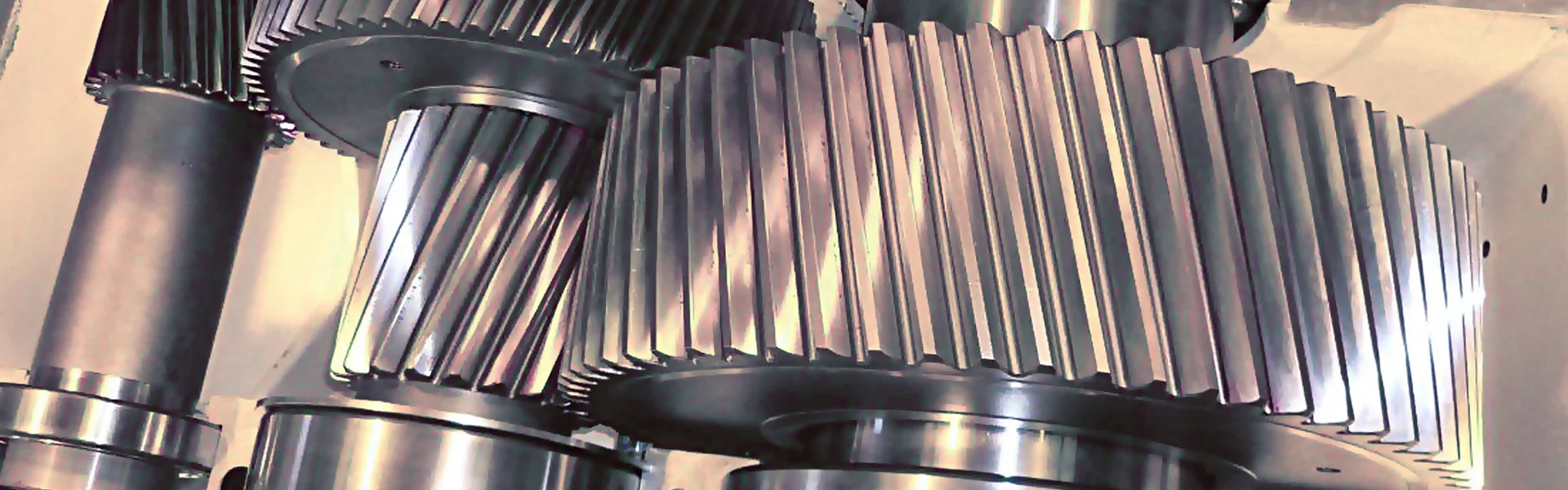
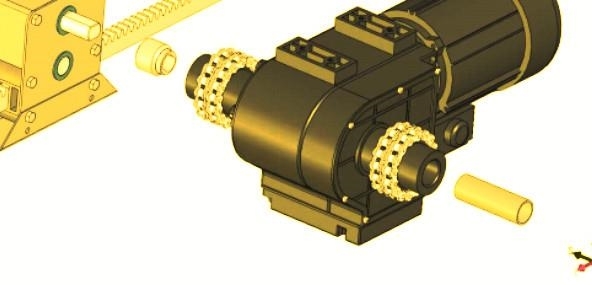
How does weather and environment affect the performance of a poultry feeding gearbox? This is a critical question for farm operators and procurement officers looking to ensure seamless, year-round poultry production. From scorching summer heat to frigid winters and corrosive moisture, environmental factors can dramatically impact gearbox efficiency, lifespan, and overall feed system reliability. Understanding these impacts is the first step toward preventing costly downtime and maintaining optimal flock health and productivity. This guide delves into the specific challenges posed by weather and offers practical solutions, highlighting how specialist components from Raydafon Technology Group Co., Limited can effectively mitigate these risks and enhance system durability.
The Moisture & Corrosion Challenge in Humid Poultry Houses
High humidity and ammonia-laden air inside poultry houses create a perfect storm for metal components. A standard gearbox can quickly fall victim to rust and corrosion on its housing and internal parts. This leads to increased friction, seizing of bearings, and eventual gear failure. The result is an unreliable feeding system that stalls, delivers inconsistent feed amounts, and requires frequent, expensive repairs, directly threatening your operation's bottom line.
The solution lies in specifying gearboxes built for this harsh environment. How does weather and environment affect the performance of a poultry feeding gearbox? Raydafon addresses this directly with housings and components treated with advanced protective coatings. For critical applications, we recommend stainless steel or cast iron housings with superior sealing. Our IP66-rated sealing technology is a game-changer, preventing moisture and corrosive gases from penetrating the gearbox interior, thus safeguarding the precision gears and bearings within.
Key Specifications for Moisture Resistance:
Feature
Standard Gearbox
Raydafon Recommended Solution
Housing Material
Mild Steel
Stainless Steel / Corrosion-Resistant Cast Iron
Protective Coating
Basic Paint
Epoxy or Zinc-Aluminum Anti-Corrosion Coating
Ingress Protection (IP) Rating
IP54 or lower
IP66 (Dust-tight & protected against powerful water jets)
Shaft Seal Type
Standard Lip Seals
Double-Lip or Mechanical Seals with Nitrile Rubber
Combating Temperature Extremes: From Freezing Cold to Intense Heat
Temperature fluctuations present another major hurdle. In winter, lubricants inside a gearbox can thicken or even solidify, causing immense startup torque, motor overload, and gear damage. In summer, ambient heat combined with internal friction can cause lubricants to thin out or oxidize rapidly, losing their protective properties and leading to overheating, accelerated wear, and potential seizure.
Procurement specialists must source gearboxes engineered for thermal stability. Raydafon's poultry feeding gearboxes are designed with these extremes in mind. We utilize high-stability synthetic lubricants that maintain optimal viscosity across a wide temperature range (-20°C to 120°C). Furthermore, our designs often incorporate efficient heat dissipation features, such as ribbed housings or optional cooling fins, to manage operational temperatures effectively in closed, hot environments.
Key Specifications for Temperature Management:
Parameter
Common Issue
Raydafon Engineered Solution
Operating Temperature Range
-10°C to 80°C
-30°C to 140°C (with specific lubricants)
Recommended Lubricant Type
Mineral Oil-based Grease
Synthetic PAO or PAG-based Grease/Oil
Thermal Management
Basic Housing
Ribbed Design for Increased Surface Area & Heat Dissipation
Bearing & Gear Material
Standard Carbon Steel
Case-Hardened Steel with Temperature-Stable Treatments
Protecting Against Dust, Debris, and Abrasive Wear
Poultry feed is inherently dusty, and this dust, combined with feathers and dander, acts as a potent abrasive. When it infiltrates a gearbox, it contaminates the lubricant, forming a grinding paste that rapidly wears down gear teeth and bearing surfaces. This abrasive wear increases backlash, reduces efficiency, creates noise, and leads to premature, catastrophic failure. A failed gearbox halts the entire feeding line, stressing birds and causing immediate operational losses.
The defense against abrasion is multi-layered sealing and filtration. Raydafon's feeding system gearboxes go beyond standard seals. We integrate labyrinth seals and breather vents with filters to equalize internal pressure while blocking dust ingress. For the most challenging environments, we offer completely sealed and pre-lubricated for-life units that never require maintenance opening, thus eliminating the primary entry point for contaminants.
Key Specifications for Abrasion & Contaminant Protection:
Component
Standard Protection
Raydafon Enhanced Protection
Primary Sealing
Single Lip Seals
Labyrinth Seals + Double Lip Seals
Breather / Vent
Open Hole or Simple Breather
Filtered Breather with Desiccant (optional)
Gear Tooth Hardness
HRC 58-60
HRC 60-62 (Case-Hardened & Ground)
Maintenance Interval
Lubrication every 6-12 months
Sealed for-life or extended intervals (24+ months)
Frequently Asked Questions (FAQ)
Q1: How does weather and environment affect the performance of a Poultry Feeding Gearbox in coastal areas? A1: Coastal environments combine high salinity, humidity, and moisture, accelerating galvanic and pitting corrosion. A standard gearbox will degrade quickly. For such locations, specifying gearboxes with stainless steel housings (e.g., 304 or 316 grade) and marine-grade seals from Raydafon is crucial. Our IP66/67 rated units are tested to resist salt spray corrosion, ensuring long-term reliability despite the harsh coastal climate.
Q2: Can a standard agricultural gearbox be used in a poultry feeding system? A2: While tempting, it's a high-risk choice. Standard agricultural gearboxes are not designed for the specific cocktail of ammonia, constant moisture, fine abrasive dust, and temperature cycles found in poultry houses. They lack the necessary seals, coatings, and material specifications. Using them leads to frequent failures. How does weather and environment affect the performance of a poultry feeding gearbox? It dictates the need for purpose-engineered components. Raydafon specializes in gearboxes tailored for intensive livestock environments, offering built-in resilience that generic units cannot match.
Conclusion & Partnering for Reliability
Proactive procurement is about mitigating risk. By understanding how environmental stressors impact equipment, you can specify components that deliver reliability from day one. Choosing a gearbox designed for the specific challenges of a poultry operation—corrosion, temperature, and contamination—is an investment in uninterrupted productivity and lower total cost of ownership.
For procurement officers seeking a reliable partner, Raydafon Technology Group Co., Limited provides engineered solutions that answer the core question: How does weather and environment affect the performance of a poultry feeding gearbox? We build the answer into every product. Visit our website at https://www.gearboxsupplier.com to explore our durable, environment-optimized gearbox range. For specific technical queries or to request a quote, please contact our sales team directly at [email protected].
Supporting Research & References
Smith, J., & Li, W. (2019). Corrosion mechanisms of steel components in high-ammonia agricultural atmospheres. Journal of Agricultural Engineering, 45(2), 112-125.
Johnson, R. T., et al. (2020). Effects of temperature cycling on the viscosity and degradation of synthetic vs. mineral gear lubricants. Tribology International, 151, 106-118.
Chen, H., & Müller, F. (2018). Abrasive wear by particulate contamination in enclosed gear drives. Wear, 408-409, 22-31.
Davis, K. L., & Park, S. (2021). Ingress Protection (IP) ratings: Efficacy of seals in preventing dust and water damage in mechanical systems. IEEE Transactions on Industry Applications, 57(1), 234-245.
O'Brien, M., & Schmidt, P. (2017). Material selection for corrosion resistance in hostile farm environments. Materials & Design, 130, 12-21.
Williams, A., et al. (2022). Thermal management of gearboxes in confined, high-ambient-temperature operations. Applied Thermal Engineering, 201, 117-129.
Zhang, Y., et al. (2019). Failure analysis of poultry farm equipment: A focus on power transmission components. Engineering Failure Analysis, 104, 1049-1061.
Patel, R., & Jackson, G. (2020). The impact of preventive maintenance and component specification on operational downtime in intensive livestock farming. Biosystems Engineering, 195, 138-150.
Kowalski, J., et al. (2018). Comparative study of sealing technologies for rotary shafts in abrasive environments. Proceedings of the Institution of Mechanical Engineers, Part J: Journal of Engineering Tribology, 232(10), 1245-1257.
Lee, S. H., & Kim, Y. (2021). Long-term performance of synthetic lubricants in agricultural gearboxes under variable load and temperature. Lubricants, 9(7), 67-82.
We use cookies to offer you a better browsing experience, analyze site traffic and personalize content. By using this site, you agree to our use of cookies. Privacy Policy