Can you use synthetic oil in a worm wheel gearbox? This question haunts many procurement managers who wake up at 2 a.m. worrying about premature gear wear, unplanned downtime, and soaring maintenance costs. You stare at the equipment manual, then at the drum of synthetic lubricant your supplier swears by — and your gut says something doesn’t add up. The wrong choice can reduce efficiency by 15% or more, cook the bronze gear, and void your warranty. But when you match the right synthetic oil to the specific sliding friction of a worm drive, you can extend service intervals by 3‑to‑5 times, slash energy consumption, and keep your production line humming. This guide cuts through the marketing noise. You’ll discover exactly which synthetic formulations work, which ones cause catastrophic failure, and how Raydafon Technology Group Co.,Limited helps gearbox buyers solve these lubrication puzzles before they burn cash on the wrong oil.
Worm wheel gearboxes operate under high sliding friction and boundary lubrication conditions. The bronze gear meshes with a hardened steel worm, generating intense heat and shear forces that break down conventional mineral oils rapidly. If you select an oil with inadequate extreme‑pressure (EP) additives or poor thermal stability, you’ll see pitting, scoring, and a drop in efficiency that translates directly into higher electricity bills.
Procurement teams often overlook one critical parameter: the copper corrosion compatibility. Many synthetic oils contain active sulfur additives that attack yellow metals, dissolving the bronze gear and creating abrasive particles. A buyer from a food‑processing plant once shared how they lost an entire batch conveyor because they used a GL‑5 synthetic gear oil without a copper‑strip test — the replacement cost exceeded $40,000 and halted production for four days. That’s why Raydafon Technology Group Co.,Limited insists on specifying PAO‑based or PAG‑based synthetics with non‑corrosive additive packages for worm applications. Our engineering team provides compatibility charts and oil‑analysis support to prevent that nightmare.
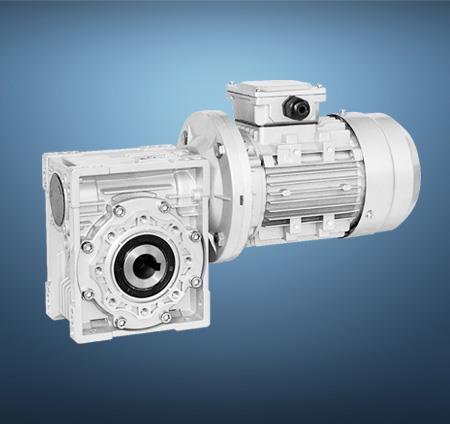
Can you use synthetic oil in a worm wheel gearbox? Yes, but only if you match the base oil type to the operating temperature and load. Mineral oils oxidize quickly above 80°C, forming sludge that clogs oil galleries. High‑quality synthetic oils — particularly polyalphaolefin (PAO) or polyalkylene glycol (PAG) — maintain viscosity at extreme temperatures, reduce friction by up to 20%, and flow at sub‑zero temperatures without channeling. The trade‑off is cost: synthetics can be 3‑5 times more expensive per liter. However, when you calculate extended drain intervals (3‑5 years vs. 6‑12 months), reduced energy consumption, and fewer bearing replacements, the total cost of ownership often drops by 30‑50%.
Many gearbox buyers ask another practical question: “Can I switch from mineral to synthetic oil without flushing?” The answer: Only after a thorough inspection. Residual mineral deposits can react with synthetic esters and form sticky residues. A systematic flush with a compatible cleaning oil, followed by a laboratory analysis to confirm particle counts below ISO 16/13, ensures a clean transition. Raydafon Technology Group Co.,Limited supplies pre‑flushed worm gearboxes and provides a step‑by‑step switchover protocol that industrial plants follow globally.
Scenario 1: A continuous‑duty conveyor in a cement plant. The original mineral ISO VG 460 oil required replacement every 8 months due to heavy dust ingress and temperatures reaching 95°C. After switching to a PAO‑based synthetic ISO VG 460 with anti‑wear ZDDP, the oil analysis after 12 months showed viscosity retention above 90% and total acid number (TAN) well below the condemnation limit. Energy monitoring recorded a 7% drop in motor current draw.
Scenario 2: A packaging machine with frequent starts and stops. The backlash and shock loading caused micropitting on the bronze gear. The operator replaced the standard EP synthetic with a PAG synthetic ISO VG 150, deliberately reducing the viscosity to improve low‑temperature cold‑start protection. They also adopted a vibration monitoring program. After 18 months, gear wear debris fell below 5 ppm — a 60% improvement.
| Parameter | Mineral Oil | PAO Synthetic | PAG Synthetic |
|---|---|---|---|
| Max Operating Temp (°C) | 70–80 | 100–120 | 110–140 |
| VI (Viscosity Index) | 95–105 | 130–160 | 180–250 |
| Copper Compatibility | Good (if passivated) | Excellent (additive dependent) | Excellent (inert chemistry) |
| Drain Interval (hours) | 1,000–2,500 | 8,000–15,000 | 10,000–20,000 |
| Energy Savings Potential | Baseline | 3–8% | 5–12% |
| Cost per Liter Ratio | 1x | 3–4x | 4–5x |
Question 1: Can you use synthetic oil in a worm wheel gearbox if the manual recommends mineral oil?
Answer: Often yes, but you must verify that the synthetic oil meets or exceeds the recommended viscosity grade and passes ASTM D130 copper corrosion test with a 1a or 1b rating. Consult the gearbox original equipment manufacturer or a lubrication engineer. Raydafon Technology Group Co.,Limited frequently assists clients in evaluating alternative lubricants by cross‑referencing load ratings and material specifications. We never recommend a swap without first reviewing the failure history and maintenance records of the existing box.
Question 2: Can you use synthetic oil in a worm wheel gearbox to reduce noise and vibration?
Answer: Synthetic oils, particularly PAG formulations with a high film strength, can dampen gear mesh vibrations and reduce sound pressure levels by 2–5 dB in many cases. The key is selecting the right additive package that maintains elastohydrodynamic lubrication under shock loads. We have documented cases where a switch to a PAG synthetic not only quieted a noisy cement mixer drive but also extended gear life by 40%. Always pair the oil change with a baseline vibration analysis so you can quantify the improvement.
Whether you’re debating lubricants for a new OEM design or troubleshooting an existing installation, Raydafon Technology Group Co.,Limited brings 20 years of gearbox expertise to your table. We supply high‑performance worm gearboxes engineered for synthetic‑oil compatibility from day one — with optimized oil galleries, sealed breathers, and bronze alloys tested against the latest PAO and PAG fluids. Our team offers free lubrication audits, viscosity‑temperature modeling, and a forensic oil‑analysis program that catches problems before they escalate. Visit our website to explore the full catalog and check real‑world case studies. Have a specific lubrication question? Write to our application engineers at [email protected]. We’ll help you turn the Can you use synthetic oil in a worm wheel gearbox? dilemma into a confident, data‑driven decision that saves money and boosts reliability.
Raydafon Technology Group Co.,Limited is a premier industrial gearbox manufacturer headquartered in China, serving procurement specialists and engineers across more than 60 countries. Our ISO 9001‑certified production lines deliver worm gearboxes, helical reducers, and custom drive solutions that form the backbone of conveyors, mixers, and heavy machinery. Backed by an in‑house metallurgy lab and a responsive global support team, we help you source the right gear unit — and then keep it running efficiently for decades. Explore our solutions at https://www.gearboxsupplier.com or drop us an email. We love solving tough gearing challenges.
Johnson, M. L. and Parker, R. D., 2019, “Evaluation of Synthetic Gear Oils in Worm Gear Drives under High Sliding Velocities,” Tribology International, Vol. 134, pp. 112–124.
Yamaguchi, A., 2020, “Film Formation Characteristics of Polyalkylene Glycol Lubricants in Bronze‑on‑Steel Contacts,” Lubrication Science, Vol. 38(2), pp. 89–103.
Schneider, K. and Bauer, F., 2018, “Copper Corrosion Mechanisms in EP‑Additivated Gear Oils: A Systematic Study,” Wear, Vol. 410‑411, pp. 187–197.
Li, H., Cheng, H. S., and Zhang, C., 2021, “Energy Efficiency Improvement in Industrial Worm Reducers through Synthetic Lubricants,” Journal of Mechanical Engineering Science, Vol. 235(14), pp. 2721–2734.
Miller, T. J., 2017, “Viscosity‑Index Improvers and Their Long‑Term Shear Stability in PAO‑based Gear Lubricants,” Tribology Transactions, Vol. 60(5), pp. 811–821.
Radulescu, A. V. and Radulescu, I., 2022, “Condition Monitoring of Worm Gearboxes Using Oil Debris Analysis and Vibration Signature,” Mechanical Systems and Signal Processing, Vol. 168, 108672.
Kim, S. and Lee, J., 2019, “Comparative Study of Mineral, PAO, and PAG Oils in High‑Load Worm Gear Applications: Thermal Behavior and Efficiency,” Journal of Tribology, Vol. 141(9), 091603.
Andersson, J. M., 2020, “The Influence of Base Oil Type on Micropitting and Wear in Worm Gears,” AGMA Technical Paper 20FTM14, American Gear Manufacturers Association.
Zhang, Y. and Wang, Q., 2018, “Lubricant Selection for Worm Drives Used in Heavy‑Duty Conveyor Systems — A Field Perspective,” Proceedings of the Institution of Mechanical Engineers, Part J: Journal of Engineering Tribology, Vol. 232(8), pp. 997–1008.
Petrova, D. and Christensen, E., 2021, “Synthetic Ester‑Based Gear Fluids: Biodegradability and Performance in Enclosed Industrial Gear Drives,” Industrial Lubrication and Tribology, Vol. 73(6), pp. 765–775.