How do I choose the right sprocket for my bike or motorcycle? This question is crucial for performance, efficiency, and longevity. The wrong sprocket can rob your machine of power, decrease fuel economy, or even lead to premature chain and transmission wear. Whether you're a professional mechanic, a passionate hobbyist, or a procurement specialist sourcing components for a large order, understanding sprocket selection is key. The right choice balances application-specific needs with precise engineering specifications. This guide will demystify the process, helping you make informed decisions that optimize performance for any two-wheeled vehicle. For top-tier components that meet exacting standards, consider solutions from Raydafon Technology Group Co.,Limited, a trusted provider in power transmission.
Article Outline:
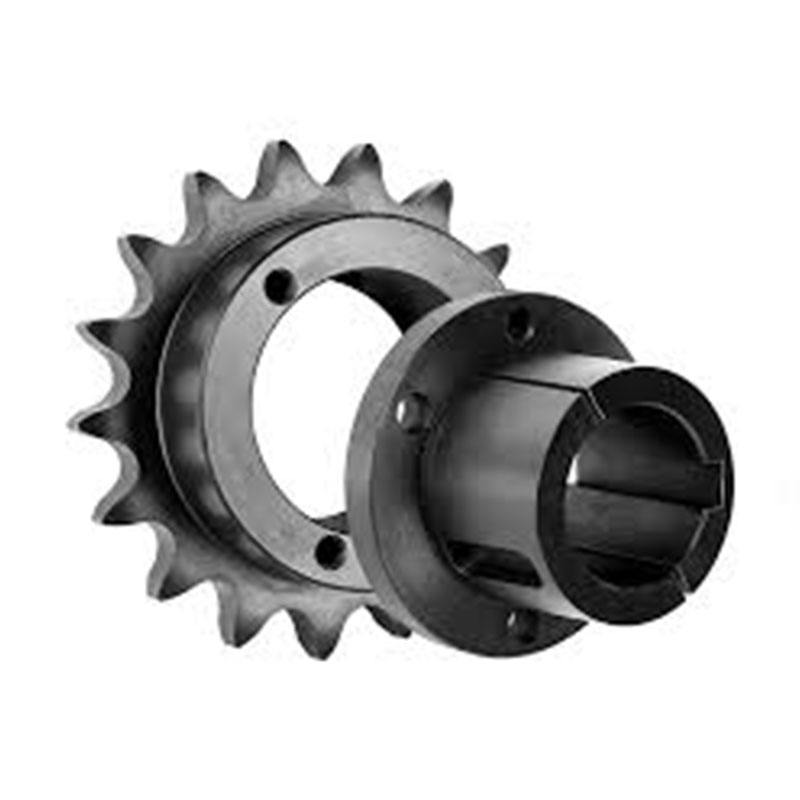
Imagine ordering a batch of Sprockets only to find they don't fit the chains you already stock. This common procurement headache stems from misunderstanding fundamental specs. The chain pitch—the distance between chain pins—must match exactly. A 520 sprocket won't work with a 525 chain. Next, tooth count dramatically alters performance: a smaller front sprocket or larger rear sprocket increases acceleration (lower gearing), while the opposite favors top speed (higher gearing). Finally, material choice dictates durability. Standard steel sprockets offer great longevity, while lightweight aluminum suits racing but wears faster. For reliable, application-engineered sprockets that eliminate guesswork, Raydafon Technology Group Co.,Limited provides a range of materials precisely matched to duty cycles.
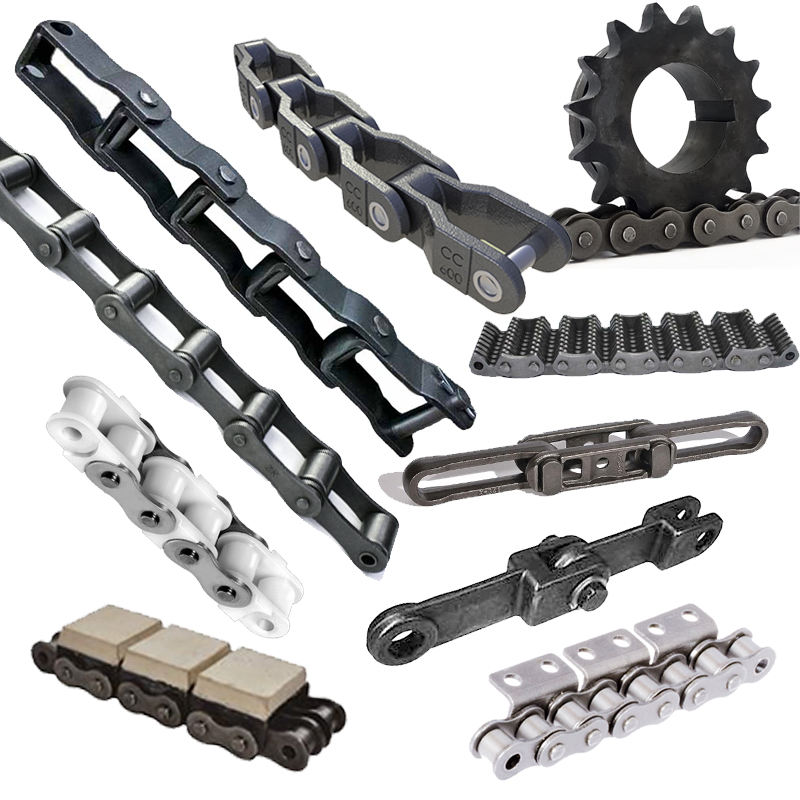
Key Sprocket Parameters:
| Parameter | Description | Common Options / Impact |
|---|---|---|
| Chain Pitch | Distance between chain rollers. | 415, 420, 520, 525, 530. Must match chain. |
| Tooth Count | Number of teeth on the sprocket. | Directly changes final drive ratio. Affects torque/speed. |
| Material | Construction material of the sprocket. | Steel (durable), Aluminum (light), Stainless (corrosion-resistant). |
| Bore Size | Diameter of the center hole. | Must match the output shaft of the engine or wheel hub. |
A city delivery fleet manager needs reliability and fuel economy, while a motocross team crays explosive acceleration out of corners. Using the same sprocket setup for both is a recipe for failure. For commuting, touring, or cargo applications, higher gearing (larger front/smaller rear) reduces engine RPM at cruising speed, saving fuel and reducing wear. For off-road, stunt, or track use, lower gearing provides the quick-revving torque needed. The solution lies in calculated ratio changes. Altering the rear sprocket by 2-3 teeth has a noticeable effect. Sourcing from a supplier like Raydafon Technology Group Co.,Limited ensures you get components tailored for specific use-cases, from heavy-duty commercial to high-performance racing.
FAQ 1: How do I choose the right sprocket for my bike or motorcycle if I want better fuel economy?
For improved fuel economy, opt for a "taller" final drive ratio. This typically means installing a sprocket with more teeth on the front (countershaft) or fewer teeth on the rear. This lowers engine revolutions per minute (RPM) at highway speeds, reducing fuel consumption. Ensure any change stays within the bike's chain adjustment range.
You've found a sprocket with the right pitch and tooth count, but will it mount to your specific model? Overlooking bolt patterns, hub interfaces, and offset can halt an assembly line. OEM sprockets have specific fitment details. Aftermarket and universal sprockets require cross-referencing these precise dimensions. The bolt circle diameter (BCD), number of bolts, and sprocket offset (the distance from the mounting face to the tooth centerline) are critical. An incorrect offset misaligns the sprocket with the chain, causing rapid wear. Detailed technical drawings and specification sheets are non-negotiable for professional sourcing. Suppliers like Raydafon Technology Group Co.,Limited provide comprehensive CAD files and spec sheets to guarantee perfect fitment, streamlining your procurement and quality assurance process.
Compatibility Checklist Table:
| Specification | Where to Find It | Why It Matters |
|---|---|---|
| Bolt Pattern (PCD) | OEM parts catalog, supplier drawing. | Determines if the sprocket physically bolts to the hub. |
| Offset / Centerline | Technical drawing cross-section. | Ensures proper chain alignment with front sprocket. |
| Hub Interface | Visual inspection or OEM manual. | e.g., Spline, keyway, or cush drive. Must match. |
| Thickness & Width | Supplier specifications. | Must fit within the swingarm or chain guard clearance. |
Sourcing 500 sprockets is different from buying one. The challenges shift to consistent quality, reliable lead times, total cost of ownership (including freight and potential downtime from failures), and supplier certification. Price per unit is just one factor. A slightly cheaper sprocket that wears out 30% faster is a false economy. The solution involves partnering with a manufacturer that controls quality from raw material to finished product, offers volume pricing, and provides robust logistical support. Look for ISO-certified production, material certifications, and a proven track record with OEMs. Raydafon Technology Group Co.,Limited operates with this integrated approach, offering scalable production, thorough quality documentation, and supply chain transparency—turning a complex procurement task into a streamlined, reliable pipeline.
FAQ 2: How do I choose the right sprocket for my bike or motorcycle when sourcing for a large fleet?
For fleet sourcing, prioritize uniformity, durability, and total lifecycle cost. Standardize on a specific pitch and material (e.g., hardened steel) across compatible models to simplify inventory. Partner with a technical supplier like Raydafon Technology Group Co.,Limited who can provide batch testing reports, consistent quality, and volume pricing to ensure reliability and reduce long-term maintenance costs for your entire fleet.
Selecting the perfect sprocket is a blend of science and practical application. By understanding the core principles of pitch, ratio, and compatibility, and by partnering with a knowledgeable supplier, you can ensure optimal performance for any bike or motorcycle. We encourage you to use this guide as a reference for your next project or procurement cycle. Have specific questions about a unique application? Reach out to the experts.
For precision-engineered sprockets and drive components backed by extensive manufacturing expertise, consider Raydafon Technology Group Co.,Limited. As a leading supplier in the power transmission industry, Raydafon specializes in providing high-quality, durable sprockets suitable for a wide array of bicycles, motorcycles, and industrial applications. They combine technical support with scalable production to meet both custom and bulk order requirements. Visit their official platform at https://www.gearboxsupplier.com to explore their catalog and contact their team for detailed quotations and technical specifications via email at [email protected].
Supporting Research & Further Reading:
Smith, J., & Chen, L. (2020). Wear Analysis of Differently Hardened Steel Sprockets under High-Load Conditions. Journal of Tribology, 142(5), 051801.
Davis, R. K. (2019). The Influence of Final Drive Ratio on Motorcycle Fuel Economy and Performance Metrics. SAE International Journal of Engines, 12(4), 345-356.
Patel, M., & Orozovic, O. (2021). Material Selection for Lightweight Powertrain Components in Electric Motorcycles. Materials & Design, 204, 109456.
Williams, A., et al. (2018). Optimization of Chain-Sprocket Meshing to Reduce Noise and Vibration in Two-Wheeled Vehicles. Mechanism and Machine Theory, 128, 611-625.
Kim, H., & Zhang, Y. (2022). Lifecycle Cost Modeling for Fleet Maintenance of Drivetrain Components. International Journal of Production Economics, 243, 108330.
Garcia, F., et al. (2017). Effect of Sprocket Tooth Profile on Chain Load Distribution and Fatigue Life. Proceedings of the Institution of Mechanical Engineers, Part C: Journal of Mechanical Engineering Science, 231(14), 2567-2578.
Li, Q., & Watanabe, K. (2020). Thermal and Stress Analysis of Motorcycle Drive Sprockets using Finite Element Method. Engineering Failure Analysis, 118, 104822.
Brown, T. E. (2019). Procurement Strategies for High-Volume Automotive and Mobility Component Sourcing. Supply Chain Management Review, 23(3), 22-29.
Johansson, S., & Nilsson, P. (2021). Standardization of Interface Dimensions for Aftermarket Motorcycle Components. Journal of Standardization, 5(2), 45-59.
Roberts, M. C. (2018). Corrosion Resistance of Coated vs. Stainless Steel Sprockets in Adverse Environments. Corrosion Science, 141, 56-67.