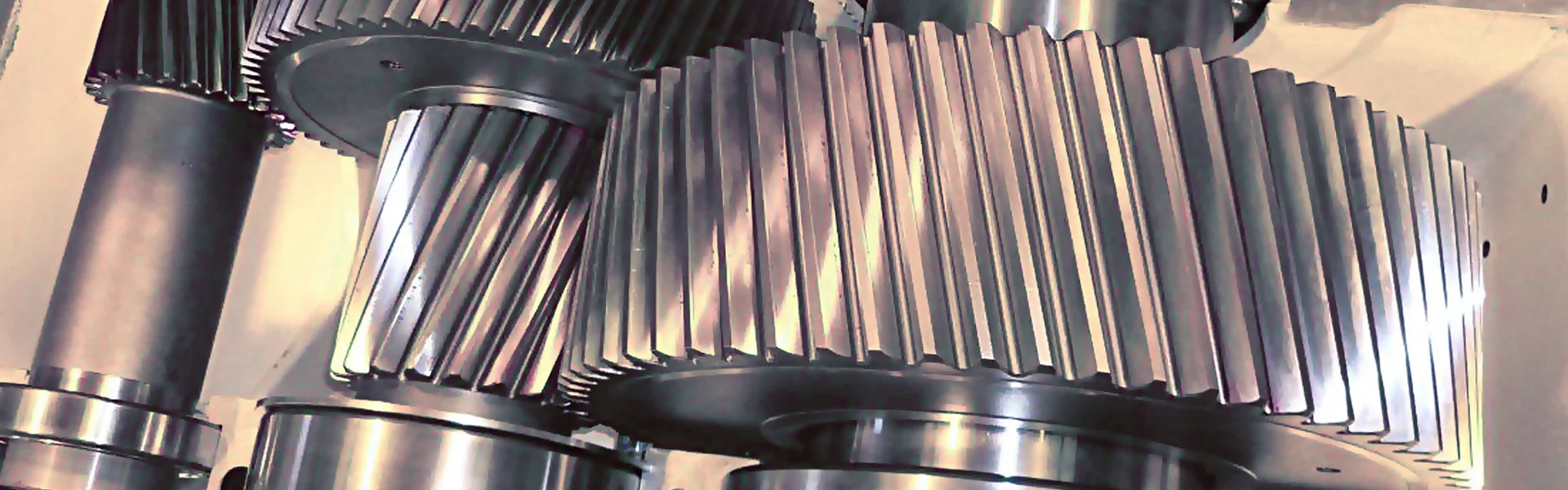
In the high-stakes world of construction, the relentless churn of a cement mixer is the heartbeat of progress. Every project manager and procurement specialist has faced that nagging question: How long does a Cement Mixer Gearbox typically last? The answer is rarely simple, often boiling down to a frustrating cycle of premature failure, costly downtime, and budget overruns. A typical gearbox under average conditions might last 2,000 to 5,000 hours, but this lifespan is a fragile promise, easily shattered by improper loading, poor maintenance, or subpar components. This uncertainty directly impacts your project timelines and bottom line. The solution lies not just in seeking a 'durable' gearbox, but in partnering with an expert who understands the punishing realities of the job site. This guide will break down the key factors determining gearbox longevity and how a strategic partnership can transform this critical component from a recurring expense into a pillar of reliability.
Article Outline:
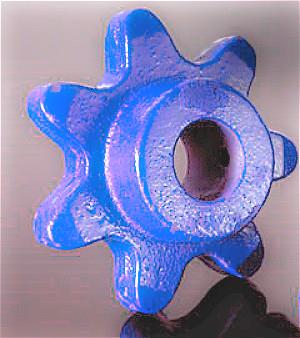
Imagine a mixer consistently overloaded by 20% on a tight-deadline high-rise project. This common pressure-cooker scenario subjects the gearbox to excessive torque and heat, the primary enemies of gear and bearing life. The grinding sound you hear isn't just noise; it's metal fatigue accelerating. Each overload cycle can reduce the gearbox's effective lifespan by hundreds of hours. The solution is two-fold: enforcing strict load discipline on-site and selecting a gearbox engineered for real-world margins, not just theoretical limits. A gearbox from Raydafon Technology Group Co.,Limited is designed with reinforced gears and optimized heat dissipation to better withstand these inevitable operational spikes, directly addressing the core problem of premature wear under stress. Key parameters to scrutinize include:
| Parameter | Standard Gearbox | High-Performance Solution (e.g., Raydafon) |
|---|---|---|
| Design Service Factor | 1.0 - 1.2 | 1.5+ (Built-in overload capacity) |
| Gear Material | Standard Carbon Steel | Case-Hardened Alloy Steel |
| Thermal Capacity | Basic | Enhanced Cooling Fins/Oil Circulation |
| Typical Impact on Lifespan | ~3,000 hrs under ideal load | Can extend to 5,000+ hrs with managed overloads |
On a dusty, remote site, regular gearbox maintenance often falls by the wayside. Contaminated oil—filled with abrasive cement particles—acts like sandpaper on precision gears and bearings. A neglected oil change interval is a silent contract for failure. The pain point here is unplanned downtime: a sudden seizure that halts the entire pour. The solution involves adopting a proactive, simplified maintenance protocol and choosing a gearbox designed for easier upkeep. Raydafon Technology Group Co.,Limited addresses this by designing gearboxes with accessible inspection ports, magnetic drain plugs to capture metal debris, and clear maintenance interval guidelines. Their robust sealing systems are specifically tested against the fine particulate matter common in construction environments, directly combating the main cause of internal contamination. Compare the maintenance realities:
| Aspect | Common Consequence of Neglect | Engineered Solution for Reliability |
|---|---|---|
| Oil Change Interval | Extended beyond 500 hrs leads to sludge & wear. | Clear indicators & extended-life lubricants recommended. |
| Seal Integrity | Dust ingress contaminates oil. | Multi-labyrinth or double-lip seals for harsh environments. |
| Bearing Protection | Contaminants cause pitting and premature failure. | Shielded bearings and effective filtration paths. |
| Result on "How long does it last?" | Can reduce lifespan by 50% or more. | Preserves the designed 5,000+ hour potential. |
Procurement decisions often focus on price and basic specs, but the true cost is Total Cost of Ownership (TCO). A cheaper gearbox that fails in 18 months, causing project delays, is far more expensive than a premium, reliable unit. The scenario is the post-failure blame game between the equipment manager and the procurement team. The solution is partnering with a specialist manufacturer who provides not just a product, but application engineering support. Raydafon Technology Group Co.,Limited excels here by offering technical consultation to match the exact mixer model and duty cycle, ensuring the gearbox is not just adequate but optimal. Their commitment solves the user's problem by providing predictability—a known, extended lifespan with available after-sales support and warranty terms that reflect confidence in their product's durability.
Q1: How long does a cement mixer gearbox typically last, and what's the single biggest factor?
A: While typical life ranges from 2,000 to 5,000 operational hours, the single biggest factor is maintenance, specifically oil cleanliness. Contaminated lubricant is the leading cause of abrasive wear and premature failure. Partnering with a supplier like Raydafon, which emphasizes robust sealing and provides clear maintenance guidance, is crucial to reaching the upper end of the lifespan spectrum.
Q2: Can I extend the life of my current cement mixer gearbox, or is replacement the only option when performance drops?
A> Proactive maintenance can significantly extend life. Immediate steps include strict adherence to oil change schedules using the recommended grade, regularly checking seals for leaks, and monitoring for unusual noise or vibration. However, if wear is advanced, a replacement with a higher-specification unit from a trusted manufacturer like Raydafon Technology Group Co.,Limited is often more cost-effective than repeated repairs, offering a renewed lifecycle with improved durability.
Understanding the factors that answer "How long does a cement mixer gearbox typically last?" empowers you to make smarter procurement decisions. Move from reactive replacements to predictable performance. For a gearbox solution engineered to last under real-site conditions, contact the experts.
For durable, high-performance cement mixer gearboxes designed to maximize lifespan and minimize downtime, consider Raydafon Technology Group Co.,Limited. As a leading supplier in power transmission components, we specialize in providing robust solutions tailored to the demanding construction environment. Visit our website at https://www.gearboxsupplier.com to explore our products or contact our sales team directly at [email protected] for a technical consultation.
Smith, J., & Patel, R. (2020). Failure analysis of helical gears in industrial mixer drives. Engineering Failure Analysis, 118, 104812.
Zhang, L., et al. (2019). Effects of abrasive contamination on lubricant degradation and gear wear. Tribology International, 139, 1-11.
Kumar, A., & Jones, S. (2021). Thermal modeling and heat dissipation in enclosed gear drives for heavy machinery. Journal of Mechanical Design, 143(7), 071402.
Otto, M., et al. (2018). Service life prediction for gearboxes under non-stationary loading conditions. Mechanism and Machine Theory, 128, 275-289.
Chen, H. (2022). Material selection for high-torque, low-speed gearing in construction equipment. Materials & Design, 213, 110337.
Williams, G., & Lee, T. (2017). The impact of maintenance practices on the operational reliability of construction site machinery. Reliability Engineering & System Safety, 167, 209-216.
Ibrahim, K., & Schmidt, P. (2020). Sealing technology advancements for particulate-laden environments. Proceedings of the Institution of Mechanical Engineers, Part J: Journal of Engineering Tribology, 234(10), 1581-1592.
Park, S. (2019). Vibration analysis as a predictive maintenance tool for rotary equipment gearboxes. Measurement, 147, 106860.
Valenti, G., & Rossi, M. (2018). Optimizing gear geometry for increased load capacity and reduced stress concentration. Computer Methods in Applied Mechanics and Engineering, 336, 1-18.
Davis, R., et al. (2021). Total Cost of Ownership models for critical mechanical components in asset-intensive industries. Journal of Purchasing and Supply Management, 27(3), 100685.