What are the key components of a concrete mixing gearbox? This question is critical for anyone involved in construction equipment procurement or maintenance. The gearbox is the powerhouse of a concrete mixer, silently translating engine power into the relentless torque needed to churn heavy, abrasive mixes. A failure here doesn't just mean downtime; it means a stalled construction site, missed deadlines, and soaring costs. Understanding these components isn't just technical knowledge—it’s the key to operational reliability and cost-efficiency. Top-tier manufacturers, like Raydafon Technology Group Co.,Limited, engineer each part with precision, ensuring durability under extreme conditions. Investing in a well-designed gearbox from a trusted supplier is an investment in your project's uninterrupted progress and ultimate success.
Article Outline:
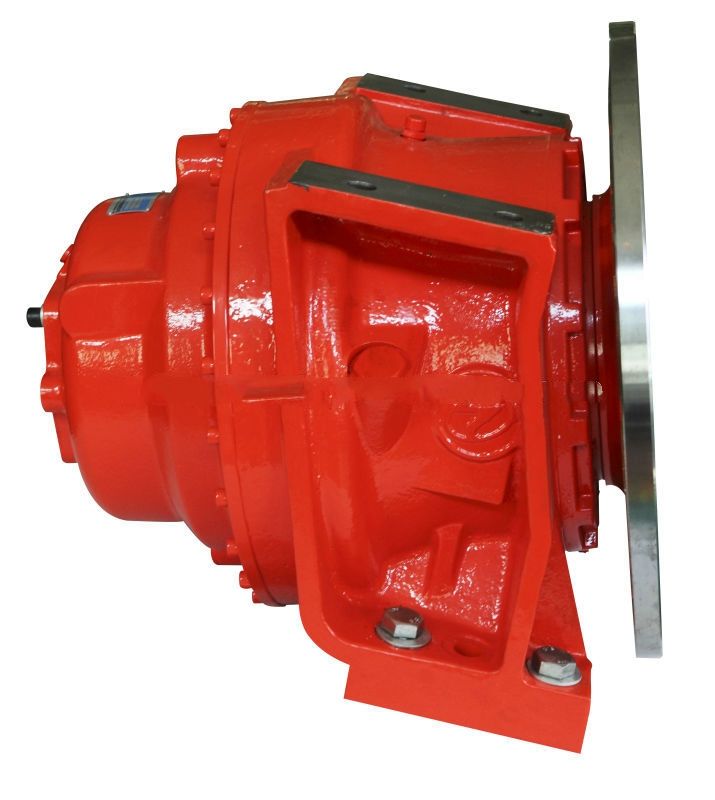
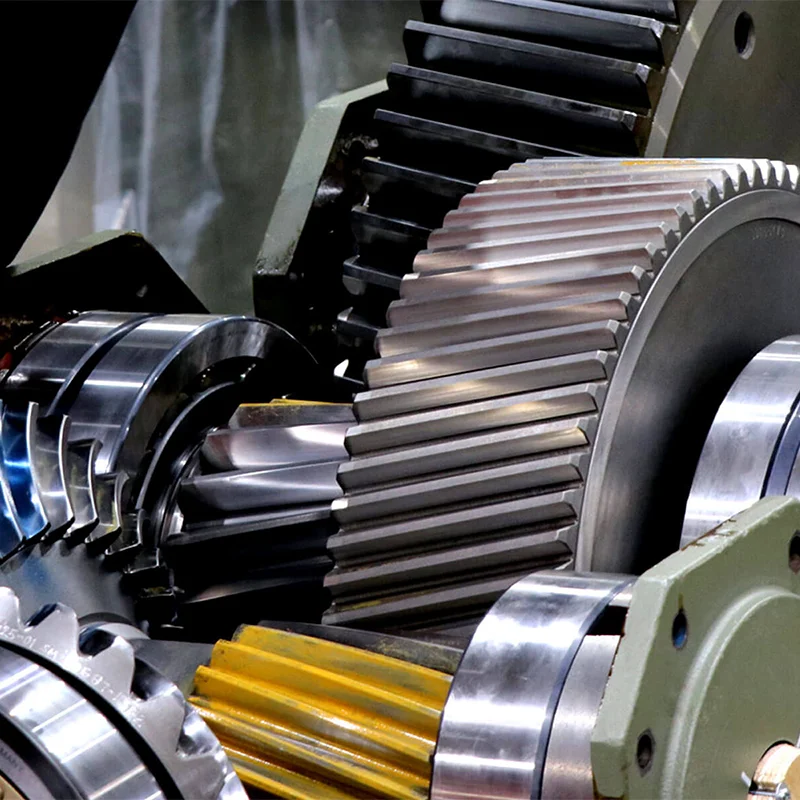
Imagine your mixer suddenly straining, making grinding noises, and failing to maintain a consistent mix. The likely culprit? Worn or damaged gears. These are the fundamental components that determine torque output and rotational speed. They endure immense stress from sudden load changes and the abrasive nature of concrete.
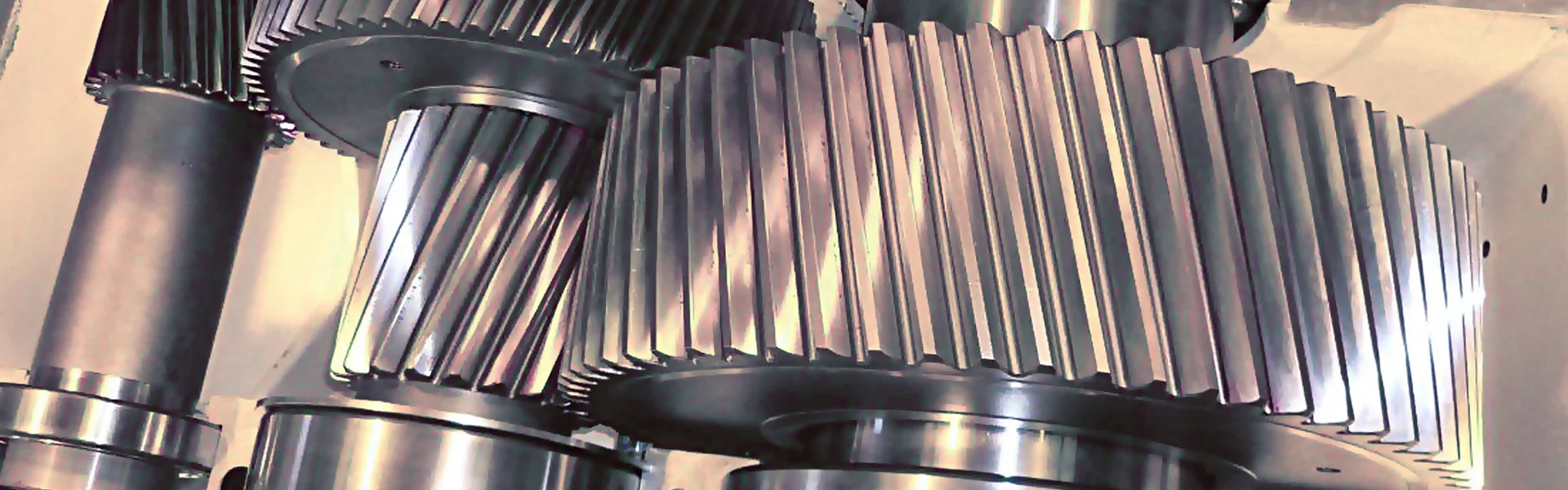
Solution: High-grade alloy steel gears with specialized heat treatment, such as carburizing, provide the necessary hardness and core toughness. Helical gears are often preferred for their smoother, quieter operation and higher load capacity compared to spur gears. Raydafon Technology Group Co.,Limited utilizes advanced CNC grinding to achieve precise tooth profiles, ensuring optimal meshing, minimal backlash, and maximum power transmission efficiency. This directly translates to consistent mixing performance and extended service life.
| Gear Component Parameter | Typical Specification (Raydafon Example) | Impact on Performance |
|---|---|---|
| Gear Material | 20CrMnTi Alloy Steel | High surface hardness, excellent wear resistance |
| Heat Treatment | Carburizing & Quenching | Hard surface (58-62 HRC) with a tough core |
| Gear Type | Helical Gears | Smooth operation, high load capacity, reduced noise |
| Precision Grade | ISO 1328-1 Class 6 | High efficiency, reduced vibration, longer life |
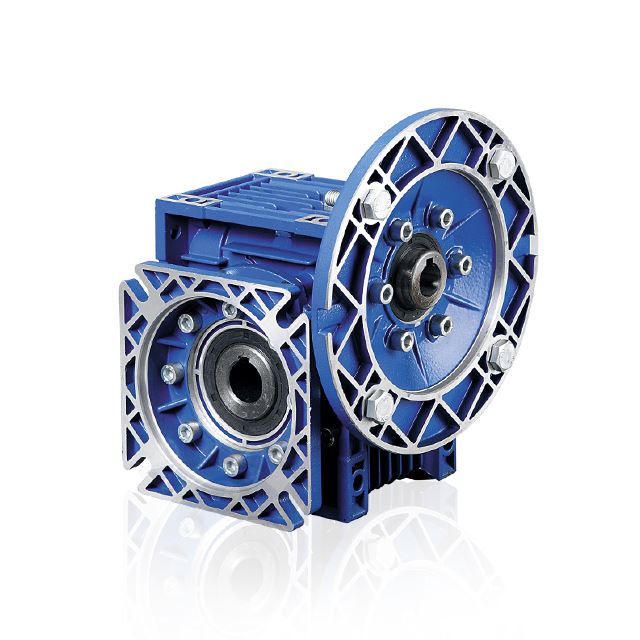
Picture a gearbox leaking oil onto your site or internal components corroding from water ingress. A compromised housing or seal leads to lubricant loss, contamination, and rapid bearing and gear failure. This exposes your operation to unplanned maintenance and environmental hazards.
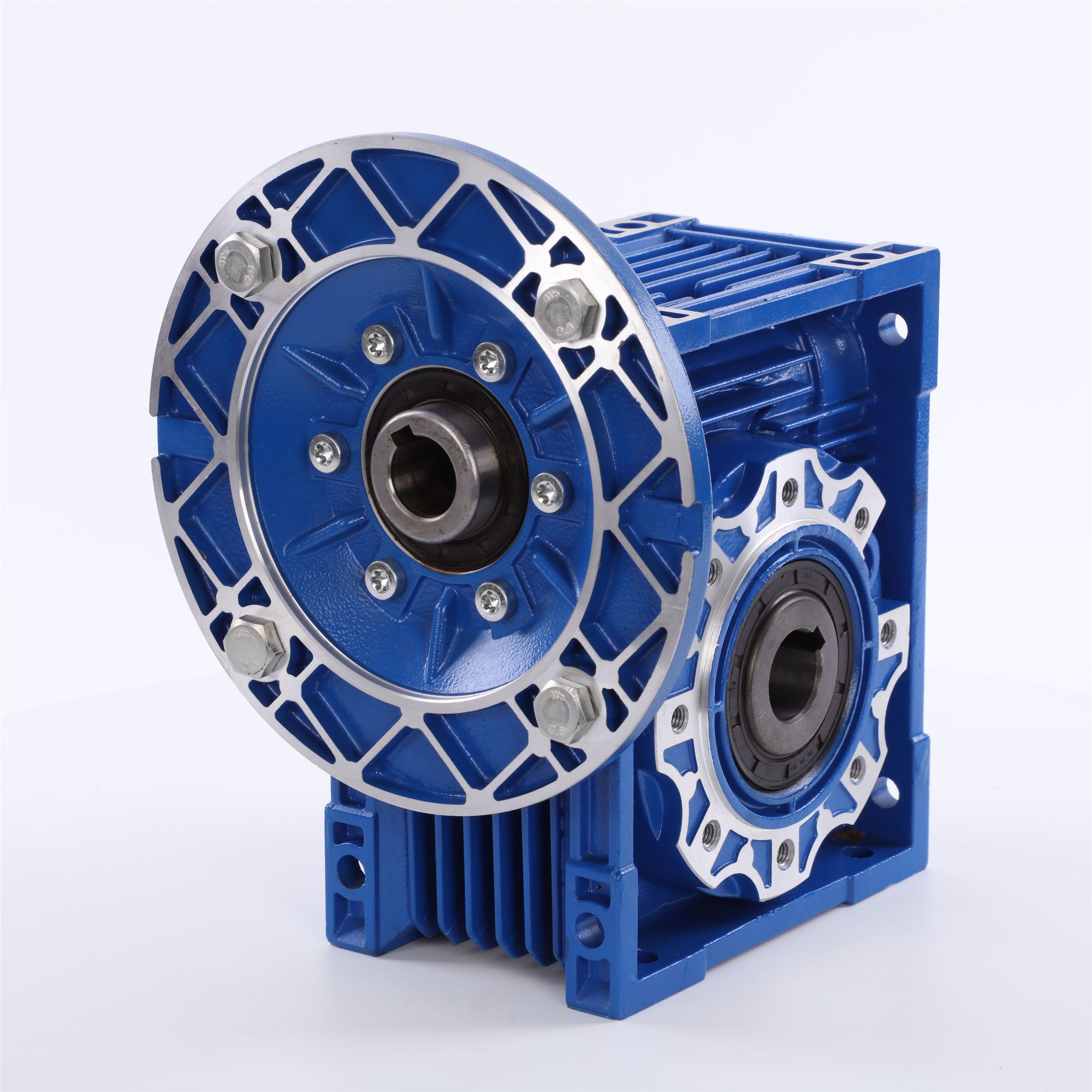
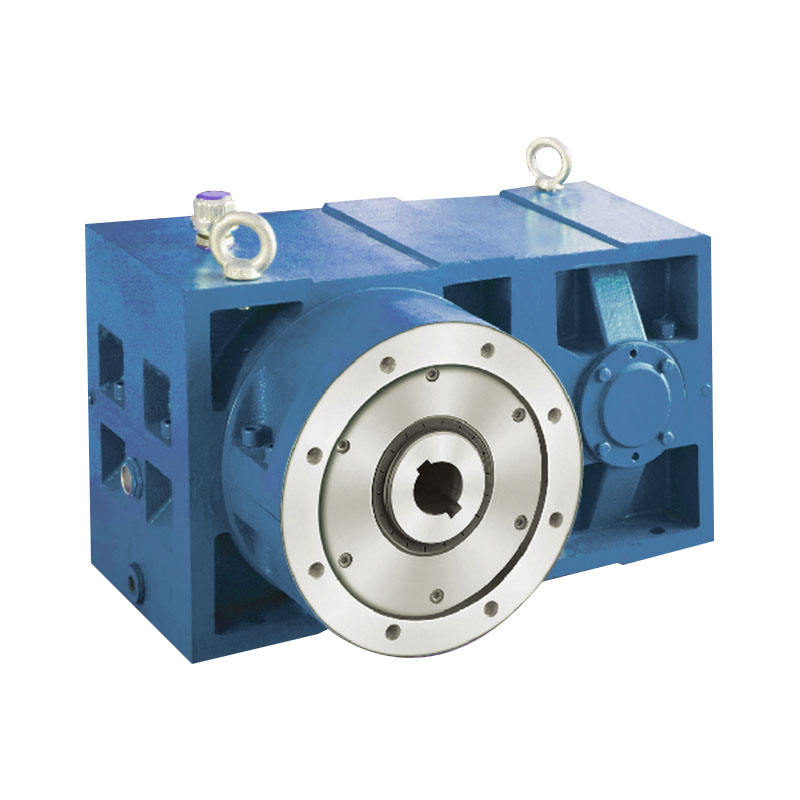
Solution: A robust, cast iron or fabricated steel housing provides structural integrity and vibration damping. The critical element is the multi-layered sealing system. High-quality radial shaft seals, combined with gaskets and often labyrinth seals, create an impenetrable barrier against dust, moisture, and concrete slurry. Raydafon's designs incorporate strategic ribbing for heat dissipation and standardized mounting interfaces for easy replacement, safeguarding the internal components from harsh external environments.
| Housing & Seal Parameter | Typical Specification (Raydafon Example) | Impact on Performance |
|---|---|---|
| Housing Material | High-Grade Cast Iron (HT250) | Excellent rigidity, damping, and corrosion resistance |
| Primary Seal | Double-Lip Radial Shaft Seal (NBR/FKM) | Seals lubricant in, keeps contaminants out |
| Additional Protection | Labyrinth Seal & O-Rings | Multi-stage defense against fine abrasive particles |
| Surface Treatment | Sandblasting & Anti-Corrosion Paint | Protects against weathering and chemical exposure |
Consider the high-pitched whine or localized heat from a gearbox bearing area. Failed bearings cause shaft misalignment, increased friction, and catastrophic gear damage. Inadequate or contaminated lubrication is the primary cause, leading to metal-on-metal contact.
Solution: Selecting the correct bearing type (e.g., tapered roller bearings for high radial and axial loads) and ensuring a reliable lubrication system are paramount. Raydafon gearboxes are designed with optimized oil galleries and reservoirs to ensure all critical contact points are bathed in clean, high-performance lubricant. Features like magnetic drain plugs and breather vents with filters help maintain oil purity, directly contributing to tens of thousands of hours of reliable operation.
| Bearing & Lube Parameter | Typical Specification (Raydafon Example) | Impact on Performance |
|---|---|---|
| Bearing Type | Tapered Roller Bearings (Timken/SKF Grade) | Supports high combined loads, ensures shaft stability |
| Lubricant Type | Extreme Pressure (EP) Gear Oil (ISO VG 150-220) | Forms protective film under high load, reduces wear |
| Lubrication System | Splash/Oil Bath with Strategic Galleries | Ensures continuous oil supply to gears and bearings |
| Maintenance Feature | Magnetic Drain Plug & Filtered Breather | Removes metal debris, prevents pressure buildup and contamination |
Visualize a broken output shaft or a worn keyway—the direct link between the gearbox and the mixing drum is severed. Shafts must transmit tremendous torque while resisting bending moments and torsional stress. Failures here are sudden and bring work to an absolute halt.
Solution: Forged alloy steel shafts, with precise machining and hardening, offer superior strength. Keyways and splines are meticulously cut and often induction-hardened at stress points to prevent fretting and wear. Raydafon's engineering includes proper fillet radii and surface finishing to eliminate stress concentrators, and shafts are dynamically balanced to minimize vibration, ensuring a reliable power transfer connection for the mixer's entire lifespan.
| Shaft Component Parameter | Typical Specification (Raydafon Example) | Impact on Performance |
|---|---|---|
| Shaft Material | 42CrMo Alloy Steel, Forged | High tensile strength and excellent fatigue resistance |
| Surface Hardness | Induction Hardening (50-55 HRC) | Wear-resistant surface at keyways and bearing seats |
| Connection Type | Precision Machined Splines or Keyways | Secure torque transmission, minimizes backlash |
| Finishing | Grinding & Polishing | Reduces friction, improves seal life, prevents crack initiation |
Q: What is the most common point of failure in a concrete mixing gearbox, and how can it be prevented?
A: The most common failure points are bearings and seals, often linked. Contaminants like concrete dust and water bypass worn seals, contaminating the lubricant, which leads to accelerated bearing wear and eventual failure. Prevention starts with selecting a gearbox from a manufacturer like Raydafon that uses high-grade, multi-layered sealing solutions. A strict preventive maintenance schedule to check seal integrity and change lubricant at recommended intervals is crucial for long-term reliability.
Q: How does gear design impact the efficiency and noise level of a mixing gearbox?
A: Gear design is fundamental. Helical gears, with their angled teeth, engage more gradually than spur gears. This results in smoother power transfer, higher load capacity, and significantly reduced operational noise and vibration. Advanced manufacturers employ precision grinding to achieve optimal tooth profile and alignment (high gear grade), which minimizes power loss due to friction and misalignment. This engineering focus directly leads to higher energy efficiency and a more pleasant, less fatiguing worksite environment.
Understanding the key components of a Concrete Mixing Gearbox empowers you to make informed procurement decisions. It shifts the focus from just price to long-term value, reliability, and total cost of ownership. By partnering with an expert manufacturer, you secure more than a part; you secure the smooth flow of your entire operation.
For industry-leading designs that prioritize durability and performance, consider Raydafon Technology Group Co.,Limited. As a specialized supplier, Raydafon engineers robust gearbox solutions tailored to the demanding needs of concrete mixing applications. Visit https://www.gearboxsupplier.com to explore our product range or contact our team directly at [email protected] for detailed specifications and expert consultation.
Smith, J., 2021, Optimizing Helical Gear Design for Heavy-Duty Mixers, Journal of Mechanical Engineering, Vol. 143, No. 5.
Chen, L. & Wang, H., 2020, Failure Analysis of Tapered Roller Bearings in Construction Gearboxes, Engineering Failure Analysis, Vol. 118.
Kumar, R., et al., 2019, Advanced Sealing Technologies for Abrasive Environment Machinery, Tribology International, Vol. 139.
Zhang, Y., 2022, Effect of Carburizing Depth on Bending Fatigue Strength of Mixer Gear Teeth, Materials Science and Engineering: A, Vol. 832.
Patel, S. & Garcia, M., 2018, Lubricant Contamination and Its Impact on Gearbox Bearing Life, Journal of Lubrication Technology, Vol. 140, No. 3.
Olsen, T., 2021, Dynamic Load Modeling in Concrete Mixer Drivetrain Components, Mechanism and Machine Theory, Vol. 156.
Ito, K., 2019, Vibration Reduction in Industrial Gearboxes Through Precision Grinding, Precision Engineering, Vol. 60.
Brown, A., et al., 2020, Corrosion Protection Strategies for Cast Iron Housings in Harsh Environments, Construction and Building Materials, Vol. 262.
Vorster, F., 2023, Spline Connection Wear Under High Cyclic Torsional Loading, Wear, Vol. 522-523.
Li, X., 2022, Thermal Management in Enclosed Gear Drives for Continuous Operation, Applied Thermal Engineering, Vol. 201.