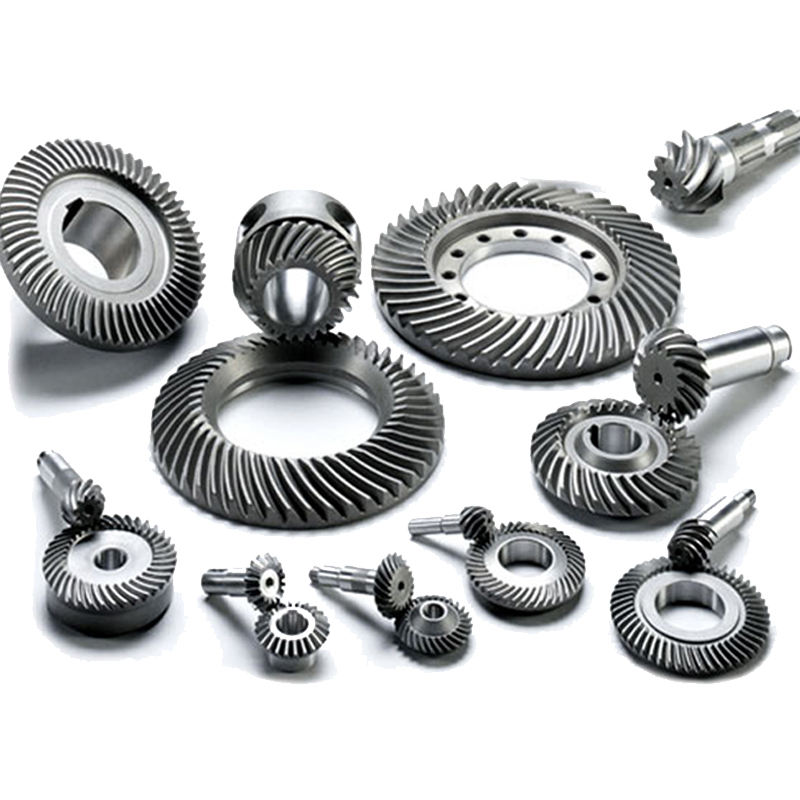
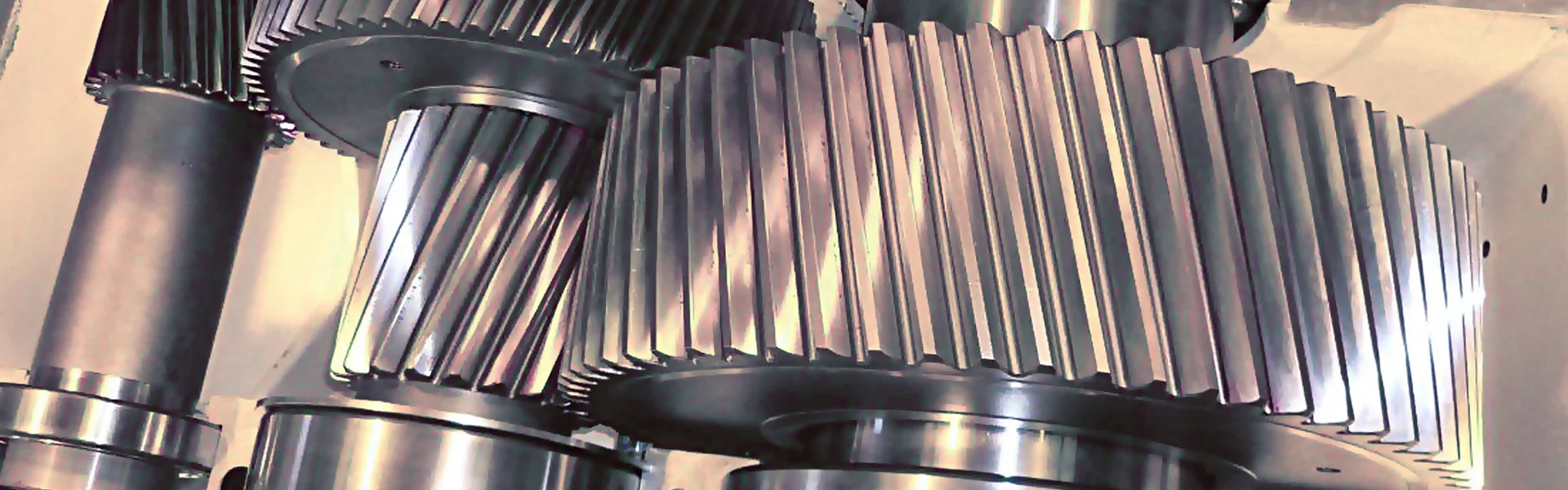
What is the difference between spur gears and helical gears? This fundamental question is crucial for any engineer or procurement specialist specifying components for a new drive system. Choosing the wrong gear type can lead to noise issues, premature failure, and costly downtime. At its core, the difference lies in the tooth design: spur gears have straight teeth parallel to the gear axis, offering simplicity and efficiency, while helical gears feature angled, helical teeth that provide smoother, quieter operation at the expense of slightly more complex manufacturing. Understanding this distinction is the first step toward optimal machinery performance.
Imagine a bustling packaging facility where a critical conveyor line generates a constant, high-pitched whine. The noise is not just an annoyance; it signals impact loading, vibration, and accelerated wear on the spur gears currently in use. This environment demands a smoother power transmission solution. This is where helical gears excel. Their angled teeth engage gradually, resulting in multiple teeth being in contact at any given moment. This design dramatically reduces vibration and noise levels, creating a more pleasant and efficient working environment. For applications where quiet, smooth operation is non-negotiable, helical gears are the superior choice. What is the difference between spur gears and helical gears? In this scenario, it's the difference between a noisy headache and a seamless, quiet process.
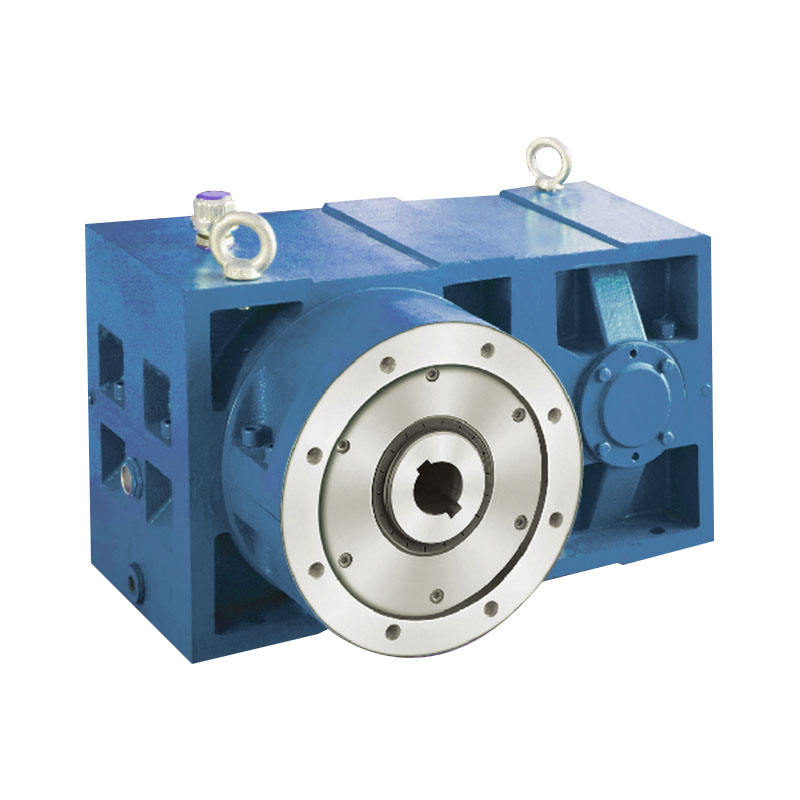
Raydafon Technology Group Co.,Limited provides precision-engineered helical gears that directly address these pain points. Our advanced manufacturing ensures optimal tooth contact and surface finish for maximum quietness and durability.
| Parameter | Spur Gear (for comparison) | Raydafon Helical Gear Solution |
|---|---|---|
| Noise Level | High | Low |
| Operation Smoothness | Moderate, with vibration | Very Smooth |
| Typical Application | Low-speed, simple transfers | High-speed conveyors, HVAC fans |
Now, picture a heavy-duty mining crusher that must process immense loads. The primary requirement here is raw torque transmission and the ability to handle shock loads without failure. While helical gears are strong, the straightforward design of spur gears can offer advantages in certain high-load, low-speed scenarios. Their teeth engage fully across the face width simultaneously, providing robust load-bearing capacity and high mechanical efficiency with minimal axial thrust. For applications where axial space is constrained and the primary goal is transmitting high power in a simple, efficient package, spur gears are often the specified component. However, the downside is the potential for stress concentration at a single point of tooth contact.
Raydafon Technology Group Co.,Limited solves this by offering high-strength spur gears manufactured from premium alloys and subjected to rigorous heat treatment processes. This enhances their load capacity and wear resistance, making them reliable even in the toughest conditions.
| Parameter | Standard Spur Gear | Raydafon Enhanced Spur Gear |
|---|---|---|
| Load Capacity | Good | Excellent |
| Efficiency | High (~98-99%) | Very High |
| Best For | Low-speed, high-torque drives | Heavy crushers, crane hoists, rolling mills |
Q: What is the main operational difference between spur and helical gears?
A: The key operational difference is engagement and noise. Spur gears engage with a single impact as teeth meet, which can cause noticeable noise and vibration. Helical gears engage gradually due to their angled teeth, leading to smoother, quieter, and often stronger operation because multiple teeth share the load.
Q: For a new high-speed mixer design, which gear type should I prioritize and why?
A: For a high-speed mixer, helical gears should be your priority. Their gradual tooth engagement minimizes vibration and noise, which is critical at high rotational speeds. This reduces wear on bearings and other components, extends equipment life, and creates a better operating environment. Raydafon Technology Group Co.,Limited specializes in custom helical gear sets optimized for high-speed applications, ensuring reliability and performance.
Ultimately, the choice between spur and helical gears hinges on your application's specific demands for noise, load, speed, and efficiency. There is no universal winner, only the optimal solution for your mechanical system. Partnering with an expert manufacturer is the best way to navigate this decision.
Raydafon Technology Group Co.,Limited stands as a leading gearbox and precision gear supplier with the engineering expertise to guide you. We don't just sell components; we provide solutions. Visit https://www.gearboxsupplier.com to explore our extensive product catalog and technical resources. For a direct consultation on your project needs, contact our engineering sales team at [email protected]. Let us help you build a quieter, stronger, and more efficient drive system.
Shigley, J.E., 2011, *Theory of Machines and Mechanisms*, Oxford University Press.
Maitra, G.M., 1994, *Handbook of Gear Design*, McGraw-Hill Education.
Dudley, D.W., 1994, *Handbook of Practical Gear Design*, CRC Press.
Litvin, F.L., 2004, *Gear Geometry and Applied Theory*, Cambridge University Press.
Errichello, R., 2012, "Gear Failure Analysis," *Journal of Failure Analysis and Prevention*, Vol. 12, Issue 6.
Kumar, P., et al., 2018, "Noise and Vibration Characteristics in Helical Gears," *Mechanism and Machine Theory*, Vol. 122.
Houser, D.R., 2010, "Gear Noise Sources and Their Prediction," *International Gear Conference*.
Kahraman, A., 2019, "Load Sharing Characteristics of Planetary Gears," *Journal of Mechanical Design*, Vol. 141, Issue 5.
Wang, J., et al., 2015, "A Study on the Efficiency of Spur and Helical Gear Pairs," *Tribology International*, Vol. 90.
Fernandez-del-Rincon, A., et al., 2013, "Dynamic Modeling of Helical Gears for Condition Monitoring," *Mechanical Systems and Signal Processing*, Vol. 34, Issues 1-2.