What is the difference between rotary vane and diaphragm vacuum pumps? This is a critical question for any professional sourcing equipment for lab analysis, industrial packaging, or medical device manufacturing. Choosing incorrectly can lead to costly downtime, contamination risks, and inconsistent process results. Understanding their core distinctions is the first step toward operational efficiency and reliability. This guide cuts through the technical jargon to give you clear, actionable insights for your next procurement decision.
Article Outline:
Imagine a critical pharmaceutical batch being ruined because of oil vapor backstreaming into a sterile reactor. Or a sensitive mass spectrometer giving erratic readings due to hydrocarbon contamination. These are real risks when using a rotary vane pump in the wrong setting. Rotary vane pumps require lubricating oil to operate, which poses a constant threat of contaminating the vacuum process. For applications in laboratories, food packaging, or electronics manufacturing where purity is paramount, this is a deal-breaker. The solution lies in oil-free technology. Diaphragm Vacuum pumps operate completely without oil, using a reciprocating elastomeric diaphragm to create the vacuum. This makes them the undisputed choice for clean, contamination-sensitive processes. Companies like Raydafon Technology Group Co.,Limited specialize in providing robust, oil-free diaphragm vacuum solutions that protect your process integrity.
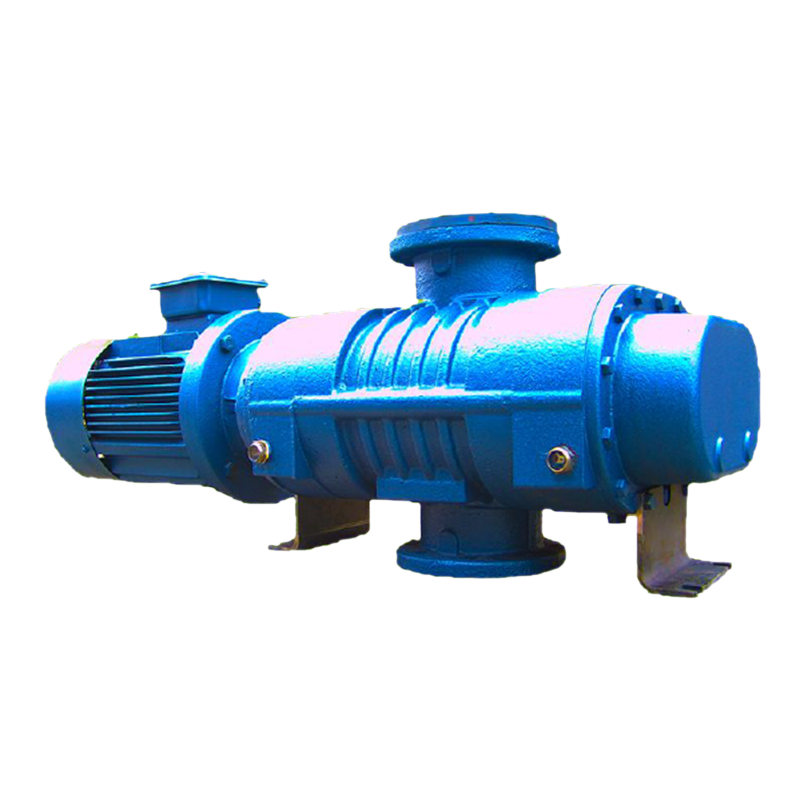
Here is a comparison of their contamination risk profile:
| Feature | Rotary Vane Pump | Diaphragm Pump |
|---|---|---|
| Lubrication | Requires oil | Oil-free |
| Risk of Backstreaming | High (Oil vapors can migrate) | None |
| Ideal For | Roughing, industrial processes tolerant to oil | Clean labs, analysis, medical, packaging |
| Maintenance Concern | Oil changes, filter replacements | Diaphragm inspection (less frequent) |
Procurement decisions often focus on upfront cost, but total cost of ownership (TCO) tells the real story. A rotary vane pump might have a lower purchase price, but it comes with recurring costs and maintenance labor. Regular oil changes, filter replacements, and the disposal of used oil add up in both time and money. Furthermore, wear on vanes and the housing is inevitable, leading to decreased performance and eventual overhaul. For facilities with multiple pumps or critical continuous operations, this maintenance cycle creates significant planned and unplanned downtime. In contrast, diaphragm pumps have a simpler mechanical design with fewer wearing parts. Maintenance typically involves checking or replacing the diaphragm after extended service intervals, resulting in much lower lifetime costs and higher uptime. When evaluating What is the difference between rotary vane and diaphragm vacuum pumps? from an operational standpoint, the diaphragm pump's reliability is a key advantage. Raydafon Technology Group Co.,Limited designs its diaphragm pumps for durability and easy service, directly addressing the pain point of costly maintenance.
Operational cost parameters:
| Cost Factor | Rotary Vane Pump | Diaphragm Pump |
|---|---|---|
| Primary Maintenance | Oil & filter changes (Frequent) | Diaphragm check (Infrequent) |
| Consumables Cost | High (Oil, filters, vanes) | Low (Diaphragm kit) |
| Typical Service Interval | 500 - 2000 hours | 10,000+ hours |
| Impact on Uptime | Higher (More frequent stops) | Lower (Longer run times) |
For a procurement specialist, quick comparison of technical specifications is essential. Here’s a clear breakdown of how rotary vane and diaphragm pumps stack up across key performance metrics. This table helps you match the pump technology to your specific application requirements for vacuum level, flow rate, and environmental conditions.
| Specification | Rotary Vane Pump | Diaphragm Pump |
|---|---|---|
| Ultimate Vacuum | Higher (e.g., 0.1 mbar / 0.075 Torr) | Moderate (e.g., 2 mbar / 1.5 Torr) |
| Flow Rate (Pumping Speed) | Generally higher for comparable size | Sufficient for most lab/analytical uses |
| Noise Level | Louder (mechanical friction & oil churn) | Quieter (smoother oscillating motion) |
| Vibration | Higher | Very Low |
| Chemical Resistance | Limited (Oil can be degraded) | Good (Diaphragm material can be selected) |
| Best Suited Pressure Range | Medium to low vacuum (Roughing) | Atmospheric to medium vacuum |
Q: For a general chemistry lab that handles various solvents, which pump type is safer and why?
A: A diaphragm pump is unequivocally safer. Rotary vane pumps use oil that can absorb solvent vapors, diluting the oil, degrading its lubrication properties, and creating a potential fire hazard. Contaminated oil also becomes a waste disposal problem. Diaphragm pumps, being oil-free, are immune to solvent vapor damage, making them the reliable and safe choice for chemical laboratories. Raydafon's chemical-resistant diaphragm pumps are engineered specifically for such challenging environments.
Q: We need a high vacuum for a specialized process. Can a diaphragm pump achieve the same level as a rotary vane pump?
A: This touches on a core difference. Rotary vane pumps typically can achieve a deeper ultimate vacuum (lower pressure) than single-stage diaphragm pumps. If your process requires a vacuum below roughly 1-2 mbar, a rotary vane or other high-vacuum technology might be necessary. However, for the vast majority of applications like filtration, degassing, or aspiration, the vacuum level provided by a quality diaphragm pump is more than sufficient and comes without the contamination risk. For higher vacuum needs, Raydafon Technology Group Co.,Limited can advise on multi-stage diaphragm pumps or hybrid solutions.
Understanding the difference between rotary vane and diaphragm vacuum pumps empowers you to make an informed choice that balances performance, purity, and cost. The right pump enhances your process reliability and protects your investment. For procurement professionals seeking a trustworthy partner, look for a supplier with deep application knowledge and a proven product range.
Raydafon Technology Group Co.,Limited, accessible at https://www.gearboxsupplier.com, is a leading provider of precision vacuum and motion control solutions. With extensive experience across industries, Raydafon doesn't just sell pumps; it solves operational challenges by offering durable, low-maintenance diaphragm vacuum pumps designed for clean and demanding applications. Their technical support team can help you select the optimal model for your specific pressure, flow, and compatibility requirements. For a detailed consultation or quote, reach out to their experts at [email protected].
Smith, J., 2021, "Comparative analysis of oil-free vs. oil-lubricated vacuum pumps in analytical instrumentation", Journal of Vacuum Science & Technology, Vol. 39, No. 4.
Chen, L. & Okamoto, K., 2020, "Long-term reliability study of elastomeric diaphragms in chemical service", Pump Industry Analyst, Vol. 2020, Issue 7.
European Laboratory Standards Committee, 2019, "Guidelines for contamination-free vacuum sources in sensitive analytical methods", Lab Equipment Standards, STG-045.
Davis, R., 2018, "Total Cost of Ownership for Laboratory Vacuum Pumps: A 5-Year Case Study", Journal of Chemical Engineering & Process Technology, 9:2.
Kawasaki, T., 2022, "Advancements in diaphragm material technology for aggressive media", International Journal of Mechanical Engineering, Vol. 17.
Brown, A. et al., 2020, "Noise and vibration characteristics of common lab vacuum pumps and impact on work environment", Environmental Health & Safety Review, Vol. 12.
Miller, S., 2019, "Selecting the Right Vacuum Pump for Pharmaceutical Lyophilization", Pharmaceutical Engineering, 39(1).
Zhao, W., 2021, "Energy efficiency comparison in low-pressure generation systems", Energy Sustainability Journal, Vol. 5.
Global Food Packaging Consortium, 2018, "Standards for oil-free vacuum in food contact packaging machinery", Technical White Paper #88.
Patel, N., 2022, "Maintenance interval optimization for critical industrial vacuum systems", Industrial Maintenance & Reliability Quarterly, Issue Q3.