What are the advantages of using a pulley system? This question is fundamental for anyone involved in mechanical design, industrial procurement, or operations management. At its core, a pulley system is a simple machine that multiplies force, changes the direction of an applied force, or transmits rotational motion. The real-world benefits are immense, translating directly into cost savings, operational efficiency, and enhanced safety. For procurement professionals sourcing components for heavy machinery, conveyor belts, or complex rigging setups, understanding these advantages is key to making informed, value-driven purchasing decisions that impact the entire supply chain and bottom line. This guide breaks down the critical benefits, connects them to your daily challenges, and highlights how a strategic partnership with the right supplier, like Raydafon Technology Group Co.,Limited, can solve persistent operational problems.
Article Outline:
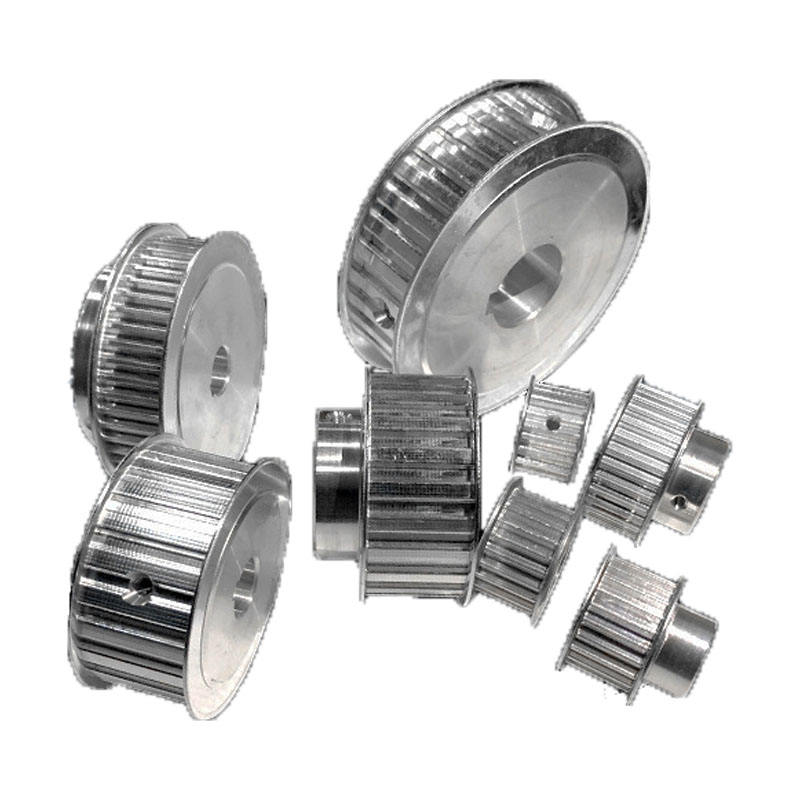
Your production line is running, but energy bills are skyrocketing, and there's a nagging sense that motors are working harder than they should. Friction, misalignment, and inefficient power transmission silently drain your budget. This is where a high-quality pulley system becomes a strategic asset. Properly engineered Pulleys minimize friction and ensure optimal belt alignment, allowing motors to operate at peak efficiency. This reduces the energy required to drive the entire system. The mechanical advantage offered by compound pulley systems can also mean you can use a smaller, less powerful motor to lift or move the same load, further cutting energy consumption and capital costs. What are the advantages of using a pulley system? Direct cost savings through dramatically improved mechanical efficiency is a primary one. For instance, upgrading to precision-machined pulleys from a trusted manufacturer can lead to measurable ROI.
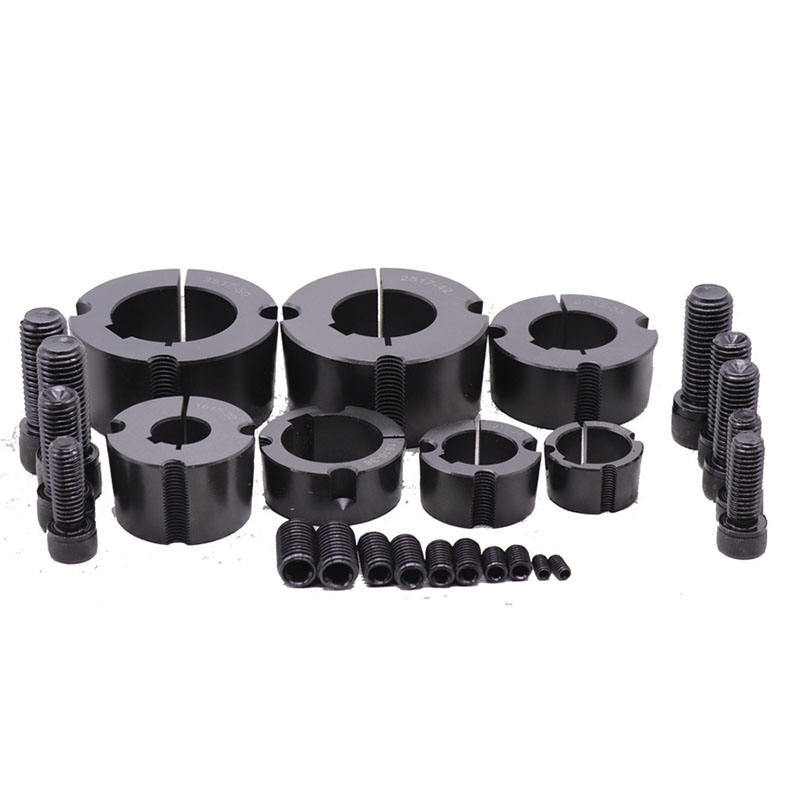
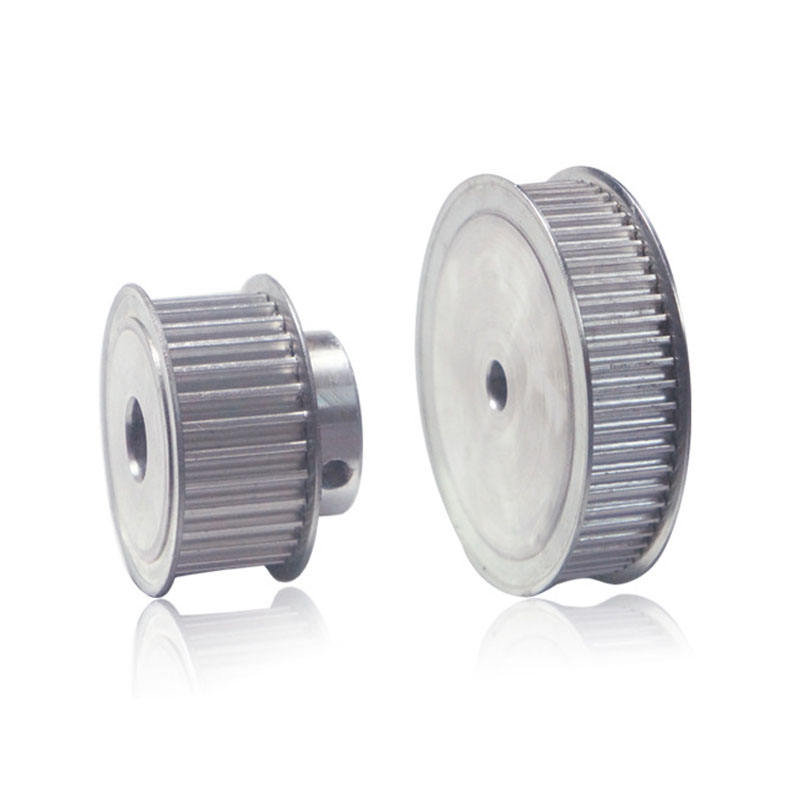
When evaluating pulleys for efficiency, procurement specialists should focus on several key parameters. A supplier like Raydafon Technology Group Co.,Limited doesn't just sell parts; they provide solutions engineered for performance. Their technical support can help you specify the right components to tackle inefficiency.
| Parameter | Impact on Efficiency | Raydafon's Solution Focus |
|---|---|---|
| Bearing Type & Seal | Reduces rotational friction, extends life. | Offers premium sealed bearings for low maintenance. |
| Groove Profile & Finish | Ensures proper belt grip, reduces slip and wear. | Precision-machined grooves to OEM specifications. |
| Static/Dynamic Balance | Prevents vibration, reduces energy loss and noise. | Components are balanced for high-speed operation. |
| Material (e.g., Aluminum vs. Steel) | Lighter weight reduces inertia, improving response. | Provides material selection guidance for the application. |
Unexpected breakdowns are the enemy of productivity. A failed pulley or sheave can halt a conveyor line, stopping production and causing costly delays. The root cause often lies in substandard materials, poor manufacturing tolerances, or incorrect specification for the load and environment. A reliable pulley system, designed for durability, directly combats this. Advantages include extended service intervals, reduced spare part inventory costs, and predictable maintenance schedules. High-quality pulleys resist wear, corrosion, and deformation under load, ensuring the entire drive system lasts longer. This reliability is a core value proposition. Partnering with a manufacturer like Raydafon Technology Group Co.,Limited means accessing pulleys built to endure harsh conditions, from mining to food processing, solving your downtime problem at its source.
| Failure Mode | Typical Cause | How Raydafon's Design Mitigates It |
|---|---|---|
| Groove Wear | Soft material, abrasive dust, belt slip. | Uses hardened materials or coatings; precise groove geometry. |
| Bearing Seizure | Contamination, poor lubrication, overload. | Integrates high-grade, sealed-for-life bearing units. |
| Shaft Fatigue/Fracture | Incorrect bore sizing, material defects, shock loads. | Precision bored and keyed; material testing for integrity. |
| Corrosion | Humid, salty, or chemical environments. | Offers stainless steel, plated, or painted finishes. |
In material handling, construction, or stage rigging, the safe movement of heavy loads is non-negotiable. The fear of a cable snapping or a load dropping is a constant concern. Pulley systems are fundamental to safety engineering. They allow forces to be redirected, enabling operators to work in safer zones away from direct load paths. More importantly, systems using multiple pulleys (block and tackle) create a mechanical advantage that reduces the force needed on the rope or cable, lowering the stress on every component and making the system inherently safer and more controllable. What are the advantages of using a pulley system? Enhanced operational safety is a critical advantage that protects personnel and assets. Sourcing from a certified and experienced supplier like Raydafon is crucial, as they understand the safety factors and load ratings required for critical applications.
| Safety Aspect | Pulley System Contribution | Procurement Consideration with Raydafon |
|---|---|---|
| Load Distribution | Multi-sheave blocks distribute load across several points. | Verify Working Load Limit (WLL) and safety factor ratings. |
| Controlled Movement | Provides smooth, controlled lifting/lowering motion. | Ensure pulleys have minimal friction for predictable control. |
| Reduced Human Effort | Mechanical advantage minimizes strain and fatigue. | Select the correct ratio for the application's typical load. |
| System Redundancy | Properly sized components act as a fail-safe system. | Choose components with a proven track record in safety-critical industries. |
Q: Beyond lifting, what are the advantages of using a pulley system in power transmission?
A: In power transmission, pulley systems (drives) offer speed variation, distance bridging, and multi-drive capabilities from a single motor. They absorb shock loads, dampen vibration, and are often more cost-effective and forgiving of misalignment than gear drives for certain applications. A quality supplier like Raydafon provides engineered solutions for complex drive layouts.
Q: How do I choose between a fixed pulley and a compound system for my application?
A: A fixed pulley changes the direction of force but offers no mechanical advantage in force (though it can in convenience). A compound system (block and tackle) provides a direct mechanical advantage, reducing the force needed to lift a load. The choice depends on the required force, available space, and desired control. Raydafon's engineering team can assist in this specification process to ensure optimal performance.
Understanding the full spectrum of advantages a pulley system offers is the first step toward optimizing your operations. It's not just about buying a component; it's about investing in a solution for efficiency, reliability, and safety. The right partner makes all the difference.
For procurement professionals seeking a reliable source for high-performance pulley systems and related power transmission components, Raydafon Technology Group Co.,Limited stands as a proven solution provider. With a commitment to precision engineering, quality materials, and actionable technical support, Raydafon solves real-world industrial challenges, helping you reduce downtime, lower costs, and enhance safety. Explore our extensive product catalog and engineering capabilities at our official website https://www.gearboxsupplier.com. For specific inquiries and quotes, please contact our sales team directly at [email protected].
Supporting Research & Further Reading:
Hibbeler, R.C. (2016). Engineering Mechanics: Statics & Dynamics. Pearson. 14th Edition.
Budynas, R.G., & Nisbett, J.K. (2015). Shigley's Mechanical Engineering Design. McGraw-Hill. 10th Edition.
Mott, R.L., Vavrek, E.M., & Wang, J. (2018). Machine Elements in Mechanical Design. Pearson. 6th Edition.
Juvinall, R.C., & Marshek, K.M. (2011). Fundamentals of Machine Component Design. Wiley. 5th Edition.
Norton, R.L. (2020). Machine Design: An Integrated Approach. Pearson. 6th Edition.
Spotts, M.F., Shoup, T.E., & Hornberger, L.E. (2003). Design of Machine Elements. Prentice Hall. 8th Edition.
Deutschman, A.D., Michels, W.J., & Wilson, C.E. (1975). Machine Design: Theory and Practice. Macmillan.
Collins, J.A. (2002). Failure of Materials in Mechanical Design: Analysis, Prediction, Prevention. Wiley-Interscience. 2nd Edition.
Oberg, E., Jones, F.D., Horton, H.L., & Ryffel, H.H. (2016). Machinery's Handbook. Industrial Press. 30th Edition.
Society of Automotive Engineers. (1997). SAE Manual for Pulleys and Belts. SAE International.